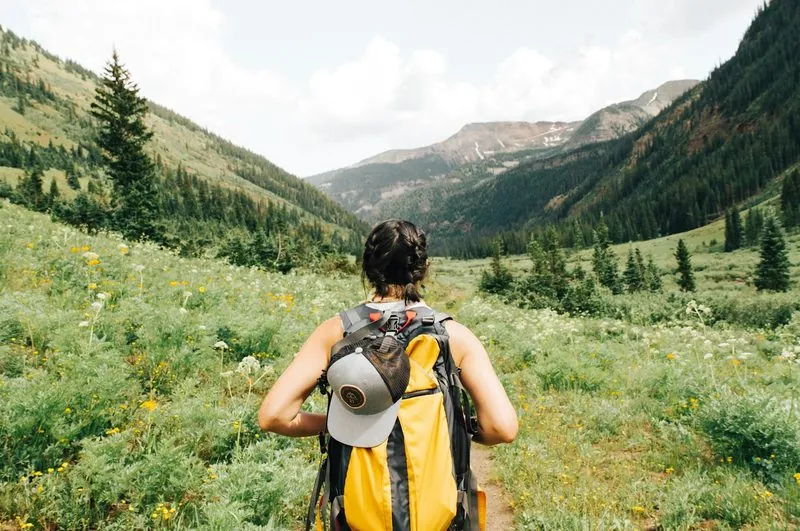
The alarm goes off at 4:30 AM. You're at 8,000 feet somewhere in the Himalayas, your legs still heavy from yesterday's twelve-hour push. But the moment you unzip the tent and catch the sun hitting the peaks, none of that matters. Every spreadsheet, every gear test, every early morning training run suddenly makes sense.
Multi-week expeditions aren't just longer vacations. They're a different category of travel entirely, ones that require months of real preparation before you ever set foot on a trail. Whether you're eyeing Patagonia's ice fields, Madagascar's remote highlands, or Bhutan's sacred valleys, the difference between a successful expedition and a dangerous one almost always comes down to what you did before you left.
Here's how to do it right.
Define Your Goals and Constraints First
Before you touch logistics, get clear on what you actually want from this trip. That decision shapes everything else.
Choose Your Expedition Style
Trekking expeditions are built around foot travel through remote terrain: multi-day camping, significant elevation gain, and long days on the move. Think the Annapurna Circuit, Torres del Paine, or lesser-traveled routes through Ethiopia's Simien Mountains.
Cultural immersion expeditions prioritize depth over distance. You could find yourself living with nomadic families in Mongolia for weeks, helping with harvest seasons in remote Andean villages, or learning traditional crafts on isolated Pacific islands. These journeys develop their own pace, guided by the rhythms of the communities you join.
Wildlife and research expeditions combine adventure with a purpose: tracking snow leopards in Kyrgyzstan, monitoring sea turtle nesting on remote Pacific atolls, or documenting biodiversity in Madagascar's rainforests.
Multi-activity expeditions blend several of the above, whether mountaineering combined with cultural experiences or wildlife observation across multiple countries.
Your choice here determines everything from gear selection to training focus, so nail this down before moving forward.
Set Honest Budget and Timeline Parameters
Most multi-week expeditions span three weeks to three months. Budget requirements vary dramatically based on remoteness, group size, and support level needed.
Core budget items to account for:
- International and domestic flights
- Visas and permits
- Specialized gear
- Guide services and local support
- Emergency evacuation insurance
- A buffer for delays, opportunities, or the unexpected
For genuinely remote destinations, budget $200 to $500 USD per day as a realistic baseline. That number shifts based on comfort level and how much logistical support you're building in.
Be Honest About Your Readiness
This isn't about discouraging ambition. It's about not getting into trouble. Think honestly about your current fitness, your experience with multi-day outdoor travel, and your tolerance for uncertainty and physical discomfort over an extended period.
If your longest trip to date was a weekend camping trip, that's useful information. Build toward your expedition through progressively harder experiences rather than jumping straight to the deep end.
Research and Choose Your Destination
Match Your Timing to the Weather
Remote destinations often have narrow windows when conditions are actually favorable. The Himalayas are best in spring (March through May) and fall (September through November). Patagonia's most stable weather runs December through March. Madagascar's dry season, May through October, opens up areas that are simply impassable during the rains.
Shoulder seasons offer fewer crowds but come with trade-offs: lingering snow at altitude early in the season, or the risk of early storms toward the end. Know what you're trading.
Understand Permit Requirements
Many of the world's best expedition destinations require advance permits, and some have annual quotas. Start researching months ahead.
Tibet requires permits beyond a standard Chinese visa. Bhutan mandates guided tours and daily fees. Parts of Madagascar require research permits for specific activities. Remote regions in Iran, Myanmar, and Central Asia may carry additional restrictions. These aren't obstacles. They're just things you need to know early enough to handle properly.
Know What Infrastructure Exists (and What Doesn't)
Understanding what's available on the ground shapes your gear list, your communication plan, and your emergency protocols. Research:
- Nearest medical facilities and realistic evacuation routes
- Cell coverage and satellite phone requirements
- Local guide and porter availability
- Resupply options for food and basic supplies
- Transportation in and out of remote areas
Some destinations have strong local support networks. Others require near-complete self-sufficiency. That difference has major implications for how you plan.
Build a Detailed Itinerary
Balance Ambition with Reality
Plan shorter days at the start while your body adjusts, build in rest days for weather or recovery, and leave room for the unexpected. Remote travel rarely follows a script, and the best expeditions don't try to force it to.
Think of progress in terms of experiences, not strict schedules. The moments that end up mattering most are rarely the ones you planned.
Map Your Bailout Options
Know your escape routes. Weather, injury, and equipment failure can turn serious fast in remote places. Figure out where the nearest road sits, where a helicopter could actually land, and where you can get a signal. Mark these spots on your map and share them with your emergency contacts before you head out.
Build in Buffer Time
Tack on an extra 20 to 30% to whatever timeline you've mapped out. Weather delays, broken-down transport, permit snags, or stumbling across a place worth lingering are all part of the game. That buffer time isn't padding. It's what keeps you from racing past the moments that make the whole trip worthwhile.
Handle Logistics and Documentation
Start Visa Applications Early
Give yourself 3 to 6 months for visa applications. Some countries require proof of onward travel, specific vaccination records, or invitation letters that take time to arrange. Double-check how long you have to use them once they're issued, since some visas come with tight windows. For multi-country trips, watch out for passport stamp conflicts: certain countries won't let you in if they spot stamps from specific other places.
Get the Right Travel Insurance
Your regular travel policy won't cover what you're planning. Hunt for coverage that actually includes:
- High-altitude activities (typically above 4,000 to 5,000 meters)
- Adventure sports and mountaineering
- Emergency evacuation from remote areas
- Medical treatment in countries with limited facilities
- Trip interruption due to weather or political situations
- Equipment loss or damage
Read the exclusions carefully. Many insurers draw hard lines around activities they consider high-risk, or require specific guide qualifications and safety protocols to maintain coverage.
Plan Your Financial Access
Cash rules in remote places. Research local currency needs and build in redundancy:
- Carry enough cash in stable currencies (USD or EUR)
- Know where ATMs exist and whether international cards are accepted
- Consider a pre-paid travel card as backup
- Notify your bank before departure to avoid card blocks
- Distribute emergency cash across multiple locations
Prepare Your Body and Mind
Train Specifically, Not Just Generally
Start physical preparation 4 to 6 months out. General fitness helps, but expedition-specific training matters more.
For trekking, that means long hikes with a weighted pack, leg strength and stability work for uneven terrain, core training for balance and load-carrying, and flexibility work to reduce injury risk over long days.
If altitude is part of your route, train at elevation when possible. Practice in the actual gear you'll be using. What feels fine on a day hike may not hold up over weeks.
Build Mental Endurance
Physical fitness gets most of the attention, but mental resilience is just as important on a long expedition. Practice tolerating discomfort during training. Develop habits: meditation, journaling, whatever works for you to manage stress and stay grounded when things get hard.
Think back to experiences where you pushed through difficulty. Those become your reference points when the expedition tests you.
Learn the Skills You'll Actually Need
Identify what your specific destination and activities require, then practice those skills before you need them in the field:
- Wilderness first aid
- Navigation with map and compass (GPS as backup, not primary)
- Equipment repair
- Basic language skills for your destination
- Cultural awareness and appropriate behavior
- Photography, if documenting your journey matters to you
Practice in controlled settings. Don't learn critical skills for the first time in a remote location.
Choose and Test Your Gear
Build a Layering System
Expeditions move through varied climates and conditions. A layering system outperforms single-purpose items every time.
Base layers in merino wool or synthetic fabrics manage moisture and resist odor during extended wear.
Insulation layers should match expected conditions: down for dry cold, synthetic for wet environments.
Shell layers need to handle wind and rain without adding unnecessary bulk.
Your extremities need gear that works in the worst conditions you'll encounter, not just average weather. Test everything together during training. Gear that handles day trips fine can fall apart during weeks of constant use.
Pack the Right Safety Equipment
Core safety gear for most expeditions includes:
- Navigation tools (GPS, map, compass)
- Emergency communication (satellite communicator or personal locator beacon)
- First aid supplies scaled to group size and remoteness
- Emergency shelter
- Water purification
- Multi-tool and repair supplies
- Headlamp with backup
Research destination-specific hazards. Avalanche gear for mountain terrain, snakebite kits for certain tropical regions, altitude sickness medications for high-elevation routes: these aren't optional extras.
Test Everything Before You Leave
Use all your gear during training. Break in boots completely. Set up your tent in bad weather. Make sure electronics work with your planned power sources.
Build gear checklists and practice packing efficiently. On an expedition, every item earns its weight or it doesn't come.
Set Up Communication and Emergency Plans
Create Realistic Check-in Schedules
Set up a communication schedule with someone at home, but keep expectations realistic. Cell service drops out constantly in remote areas, and internet connections vanish without warning. Planning daily check-ins just creates anxiety when you inevitably can't get through, which happens all the time. Build your communication plan around what actually works out there. Satellite communicators reach beyond cell towers, but they need open sky and drain batteries fast.
Write Down Your Emergency Plans
Document everything. Create detailed plans for:
- Medical emergencies requiring evacuation
- Equipment failure or loss
- Significant weather delays or route changes
- Political instability or natural disasters
- Communication device failure
Leave copies with your emergency contacts at home, along with your evacuation insurance details, embassy contacts, and local emergency service information.
Know What Emergency Response Looks Like There
Emergency response capabilities vary enormously by region. Some areas have well-organized mountain rescue. Others require self-evacuation or expensive private helicopter services.
Helicopter rescues in remote areas can run $50,000 USD or more. That number alone makes the case for proper insurance coverage.
Address Health and Medical Needs
See a Travel Medicine Specialist
Book an appointment 2 to 3 months before departure. Some vaccination series take weeks to complete, and others need time to become effective before you're exposed.
Cover the essentials: required and recommended vaccinations, altitude sickness prevention and treatment, prescription medications for common expedition problems, and how to manage any ongoing health conditions when you're days from medical care.
Build a Real Medical Kit
Expedition medical prep goes way beyond throwing band-aids in a bag. At minimum, plan for:
- Prescription medications with extras
- Antibiotics for bacterial infections
- Anti-diarrheal and rehydration supplies
- Pain management
- Altitude sickness treatment
- Wound care and infection prevention
- Dental emergency supplies
- Personal hygiene and sanitation items
If you're traveling with others, consider group wilderness first aid training. When professional medical care is days away, basic skills can make a serious difference.
Plan for Food and Dietary Needs
Research what's actually available where you're going. Remote places often mean slim pickings, especially if you have dietary restrictions or allergies. Pack emergency rations for stretches where resupply might fall through, and go for high-calorie, lightweight options designed for expedition use.
Final Preparations Before Departure
Run Through a Complete Pre-Departure Checklist
Cover every category:
- Documentation (passports, visas, permits, insurance)
- Vaccinations and medical preparations
- Gear testing and packing
- Financial access
- Communication setup
- Emergency contact information
Do a final gear check, confirm all reservations, and make sure someone at home has copies of everything important.
Prepare for the Culture You're Entering
Learn the customs, appropriate behavior, and at least basic language skills for your destination. Understanding how to show respect around photography, tipping, dress, or interaction with local communities makes your experience richer and your presence more welcome.
Go In With the Right Expectations
Expeditions don't go exactly as planned. That's not a flaw. It's often where the best experiences come from. Stay flexible, stay focused on safety, and stay open to what the trip actually becomes rather than what you imagined it would be.
The discomfort is temporary. The perspective you gain from completing something genuinely hard tends to stick around.
Making It Happen
A multi-week expedition takes months of preparation, real financial commitment, and a willingness to push past your comfort zone. But for those who put in the work, these trips offer something that conventional travel simply can't: a kind of experience that changes how you see the world and yourself.
The goal is thorough preparation paired with genuine flexibility. Plan carefully for safety and logistics. Leave room for everything else.
Ready to Start Planning?