The Real Africa Awaits Beyond the Safari Circuit
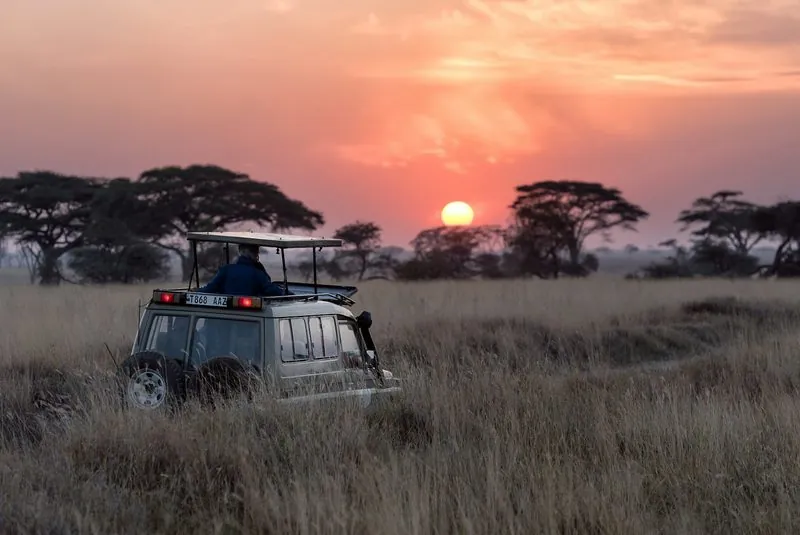
You're bouncing along a red dirt road in northern Kenya, dust trailing behind your expedition vehicle as acacia trees stretch toward distant mountains. Your group just crossed from Ethiopia, and tonight you'll camp under stars bright enough to seem within reach. This isn't a two-week safari. This is overland travel in Africa, where the journey itself becomes the point.
Overland expeditions offer something no flight-hopping itinerary can replicate: the gradual shift of landscapes, cultures, and your own perspective as you move across an entire continent by land. From Morocco's Mediterranean coast to South Africa's wine valleys, these routes reveal Africa's diversity in a way that feels genuinely immersive rather than curated.
That said, planning a cross-continent expedition takes more than enthusiasm. Visas, border crossings, vehicle logistics, seasonal timing: the details stack up fast. This guide cuts through the complexity so you understand what overland African travel actually involves, what to look for in an operator, and how to decide whether it's right for you.
What Makes Overland Travel Different
Expedition Travel, Not Tourism
Overland travel strips away the sanitized experience. Instead of air-conditioned coaches shuttling between lodges, you're in purpose-built expedition vehicles designed for Saharan sand and Botswana's muddy delta tracks. Accommodation ranges from wilderness camping to local guesthouses, the kind of places that create real connections rather than polished ones.
The pace changes everything. You're not checking destinations off a list. You're watching the gradual transition from North African Arab culture to sub-Saharan traditions, from desert to tropical forest, from Moroccan souks to remote villages in Mali where your group might be among the first foreign visitors in months.
The Social Element
Small-group expeditions forge bonds that outlast the trip. Three weeks of shared border crossings, camp setups, and roadside problem-solving creates a kind of closeness that conventional tours rarely produce. Many overland veterans describe their travel companions as lifelong friends.
That dynamic extends to local interactions too. Moving slowly through communities rather than passing through means you're more likely to share tea with a Berber family, witness a village celebration, or learn a craft from a local artisan. These aren't arranged photo opportunities. They happen because you're actually there.
Essential Overland Routes Across Africa
The Classic Cape to Cairo
The Cape to Cairo route is the holy grail of African overland travel, roughly 10,000 kilometers from Cape Town through Botswana, Zimbabwe, Zambia, Tanzania, Kenya, Ethiopia, Sudan, and Egypt. Political instability has made the full route difficult in recent years, but sections of it remain among the most compelling journeys on earth.
Southern Section (Cape Town to Nairobi): The most accessible and popular segment. It covers South Africa's coastlines and wine regions, Botswana's Okavango Delta, Victoria Falls, Zambia's wildlife parks, the Serengeti, and Kenya's Maasai Mara.
Northern Section (Cairo to Addis Ababa): Less reliable due to challenges in Sudan, though some operators still run routes through Egypt's ancient sites and into Ethiopia's highlands.
Alternative Northern Routes: Many expeditions now route through West Africa instead, Morocco across the Sahara into Mali, Burkina Faso, and Ghana before connecting to East African routes.
West Africa Expeditions
West Africa offers some of the continent's richest cultural experiences.
Morocco to Senegal: Crossing the Sahara is one of overland travel's most demanding and rewarding stretches. Routes typically pass through the Atlas Mountains, cross into Algeria or Mauritania, and reach Senegal's Atlantic coast.
The Guinea Gulf Circuit: Starting in Ghana or Togo, these expeditions move through Benin's voodoo traditions, Nigeria's cities, Cameroon's varied landscapes, and sometimes into Central African Republic or Chad.
East African Circuits
The Great Rift Valley Route: Kenya through Tanzania, Rwanda, and Uganda, offering world-class wildlife set against dramatic geology and genuine cultural depth.
Ethiopia to South Africa: A route that's grown steadily in popularity, partly because it sidesteps the political complications of North Africa and partly because the range it covers is extraordinary, from Ethiopia's ancient rock-hewn churches all the way down to South Africa's cosmopolitan cities.
Southern Africa Loops
Southern Africa tends to be where first-time overland travelers find their footing, and for good reason.
The Classic Loop: Cape Town to Victoria Falls and back, taking in South Africa, Namibia, Botswana, and Zimbabwe over three to four weeks.
The Extended Circuit: Adds Zambia, Malawi, and sometimes Mozambique into the mix, stretching the journey to six to eight weeks.
Choosing Your Overland Experience
Organized Expeditions vs. Independent Travel
Organized Expeditions
Most travelers go with established operators, and the reasons are pretty straightforward. These companies manage complex logistics, maintain specialized vehicles, employ guides with current regional knowledge, and have existing relationships with local communities and border authorities. Expeditions range from two to three weeks for regional circuits up to ten-plus weeks for transcontinental journeys. Group sizes across the industry typically run from eight to twenty people.
Independent Overland Travel
Some experienced travelers organize their own journeys using rented 4WD vehicles or motorcycles. The flexibility is real, but so are the demands: extensive planning, mechanical competence, and genuine comfort with uncertainty. You're also handling every visa, border procedure, and emergency without backup.
Custom Expeditions
A number of companies build custom overland expeditions for private groups, combining professional logistics with full itinerary control. This works particularly well for families, corporate groups, or travelers with specific interests like photography or archaeology.
Vehicle Types and Comfort Levels
Expedition Trucks
Purpose-built overland trucks are the standard across most large-group operators. They typically carry twelve to twenty-four passengers with elevated seating for game viewing, onboard water and food storage, camping equipment, and the mechanical resilience needed for remote terrain. Modern trucks often include air conditioning for desert crossings, pop-up roofs, onboard charging, medical equipment, and comprehensive tool kits.
Smaller 4WD Vehicles
Some operators use fleets of smaller 4WDs carrying four to six passengers each. More intimate and flexible, though with less storage and sometimes less comfort on long stretches.
Accommodation Styles
Camping Expeditions: Most overland trips involve camping, whether at established campgrounds or wild camping in remote areas. Shared cooking and camp duties build group cohesion quickly.
Lodge-Based Tours: More comfortable, but often significantly more expensive and less immersive.
Mixed Accommodation: Many expeditions combine camping with occasional lodge stays, particularly in cities or when conditions make camping impractical.
Practical Planning Essentials
Visas and Documentation
Overland travel means multiple visa applications, and requirements shift with political situations and bilateral agreements. Most operators provide detailed guidance, but travelers are responsible for their own documentation.
Advance Applications: Some countries require applications weeks or months ahead, particularly for US, European, or Australian passport holders.
Visa on Arrival: Common across East and Southern Africa, though busy border crossings can mean long waits.
Regional Programs: The East African Tourist Visa (Kenya, Uganda, Rwanda) and the KAZA Visa (Zambia and Zimbabwe) simplify multi-country travel considerably.
Yellow Fever Certificates: Required by many African countries, especially when arriving from other African nations. For overland travelers crossing multiple borders, this is non-negotiable.
Health and Safety
Medical Preparation
Overland travel requires more thorough preparation than standard tourism. Beyond routine vaccines, most routes call for hepatitis A/B, typhoid, meningitis, and yellow fever. Many require malaria prophylaxis. Expedition vehicles carry comprehensive medical kits, but bring your own medications and basic first aid supplies.
Standard travel insurance typically won't cover overland expedition activities. Specialized adventure travel insurance, including medical evacuation coverage, is essential.
Safety Protocols
Reputable operators maintain satellite phones or GPS beacons for remote communication, monitor political situations and reroute when needed, conduct regular vehicle maintenance, and run daily safety briefings covering local customs, risks, and emergency procedures.
Seasonal Timing
Africa's scale means overland routes cross multiple climate zones.
Dry Season (roughly May to October in East and Southern Africa): Roads firm up, wildlife clusters around shrinking water sources, and game viewing tends to be at its best.
Wet Season: Heavy rains make roads genuinely challenging in Botswana, Zambia, and Tanzania. The trade-off is fewer crowds, landscapes that are dramatically greener, and noticeably lower prices.
West Africa and the Sahara: Weather patterns here bear little resemblance to East and Southern Africa. Sahara crossings are best planned between November and March; outside that window, the heat becomes a serious logistical factor.
Cultural Timing: Some travelers plan around specific events, such as Ethiopia's Timkat celebrations or Morocco's rose harvest festivals, which can add real depth to the experience.
What to Expect on an Overland Expedition
Daily Rhythms
Most days start around 6 to 7 AM to maximize daylight and avoid afternoon heat. Driving days typically run four to eight hours, with longer stretches at border crossings or remote destinations. Evenings might mean wildlife viewing, local market visits, cultural performances, or simply sitting around a campfire.
Border Crossings
Border crossings are both logistical challenges and genuine highlights. Experienced guides handle most paperwork, but crossings can take anywhere from thirty minutes to several hours depending on current political relations, staffing, vehicle inspections, and customs procedures. Some crossings mark striking cultural transitions: from Arabic-speaking North Africa into sub-Saharan regions, or from French-influenced West Africa into English-speaking Ghana.
Cultural Immersion
Overland expeditions create encounters that conventional tours simply can't manufacture.
Markets: Buying fresh produce in local markets becomes part survival skill, part cultural crash course. Your guides help decode local customs and keep you from paying tourist prices.
Community Visits: Expeditions often include stops in traditional villages or with nomadic communities, arranged through local contacts who ensure these visits benefit everyone involved.
Skill Learning: You might find yourself learning traditional crafts, cooking techniques, or cultural practices from local artisans who are genuinely excited to share their knowledge.
Ceremonies and Festivals: Sometimes you'll witness or respectfully participate in local celebrations and religious observances that happen to coincide with your route.
Wildlife and Natural Wonders
Overland expeditions aren't wildlife tours, but the natural experiences often blow people away. Spending multiple days in places like the Serengeti, Kruger, or Chobe means better game drives and photography opportunities than rushed fly-in visits. The geological variety alone, from Sahara dunes to Ethiopian highlands to Okavango wetlands to Drakensberg mountains, covers an incredible range. Many expeditions include conservation project visits that offer real insight into African wildlife protection efforts.
Selecting the Right Operator
What to Evaluate
Experience and Reputation: Look for operators with a genuine track record, recent positive reviews, and transparent safety records. Established companies tend to have better relationships with local authorities and communities.
Group Size: Smaller groups offer more intimate experiences; larger groups can be more cost-efficient and socially dynamic. Know which suits you.
Route Flexibility: Find out how an operator actually handles disruptions, whether political flare-ups, bad weather, or a vehicle that won't start. The ones worth booking have contingency routes already mapped and communicate clearly when plans need to change.
Local Partnerships: Operators with genuine ties to local communities tend to deliver richer cultural experiences and put more money back into the places they travel through.
Guide Quality: Honestly, this one factor can define the entire trip. Look for guides with deep regional knowledge, real language skills, and the kind of cultural sensitivity that comes from experience rather than a training manual.
Questions Worth Asking
Safety and Emergencies:
- What communication systems do vehicles carry?
- How do you handle medical emergencies in remote areas?
- What happens if political instability forces route changes?
Cultural Approach:
- How do you ensure community interactions remain respectful?
- What percentage of expedition costs flows back to local communities?
- Do you employ local guides alongside expedition leaders?
Practical Details:
- What's included in the cost versus what gets added on later?
- How do you accommodate dietary restrictions?
- What camping equipment is provided?
Group Dynamics:
- What's the typical age range and nationality mix?
- How do you handle personality conflicts?
- What are your policies on alcohol and social behavior?
Red Flags
Unusually low prices often mean corners are being cut on safety, vehicle maintenance, or guide quality.
Vague itineraries suggest an operator isn't confident in their own planning.
Slow or unclear communication before you've even booked is a reliable indicator of operational problems.
No on-the-ground African presence is worth taking seriously. It usually means logistics and emergency support are being figured out as they go.
Costs and Budgeting
Typical Price Ranges
Costs vary significantly based on route length, group size, accommodation standards, and included activities:
- Short Regional Circuits (2 to 3 weeks): $2,000 to $4,000 USD per person
- Extended Regional Routes (4 to 6 weeks): $4,000 to $8,000 USD per person
- Transcontinental Expeditions (8 to 12 weeks): $8,000 to $15,000 USD per person
Higher-priced operators generally offer better vehicles, more experienced guides, smaller groups, and more comprehensive inclusions.
Additional Expenses to Budget For
- Visas: $200 to $600 USD for multi-country expeditions, depending on passport and route
- Flights: International flights to and from expedition start and end points
- Personal Equipment: Camping gear, clothing, photography equipment
- Optional Activities: Hot air balloon rides, additional game drives, cultural excursions
- Tips and Gratuities: For guides and local service providers throughout the journey
- Travel Insurance: Typically 4 to 8% of total trip cost for comprehensive adventure coverage
Money and Banking
US dollars and Euros are widely accepted, but local currencies often give better value for smaller purchases. Major cities along most routes have ATMs, but carry sufficient cash for extended wilderness stretches. Credit card acceptance is limited outside cities and major tourist areas.
Preparing for Your Expedition
Physical and Mental Readiness
You don't need to be an athlete, but you should be comfortable with long days on rough roads, daily camp setup and breakdown, walking on uneven terrain, and basic physical tasks. Fitness matters less than mindset. Overland travel is full of things that don't go to plan: a border crossing that eats half your day, a detour forced by rain, a mechanical issue in the middle of nowhere. The travelers who genuinely enjoy it are the ones who can shrug, adapt, and find something interesting in the delay.
What to Pack
Clothing:
- Layered options for varied climates
- Modest clothing appropriate to local customs
- Quality hiking boots and comfortable camp shoes
- Sun protection: hats, long sleeves, sunscreen
Technical Gear:
- Camera with extra batteries and memory cards
- Portable chargers and power banks
- Headlamp with backup
- Personal water bottle and purification tablets
Health and Hygiene:
- Personal first aid kit and prescription medications
- Insect repellent
- Quick-dry towels and biodegradable soap
- Hand sanitizer and wet wipes
Most operators provide tents and major camping equipment; confirm exactly what's included before packing.
Cultural Preparation
Read beyond guidebooks. Understanding the history and current context of the countries you're passing through makes every interaction richer. Learn basic greetings in local languages; it's a small effort that consistently opens doors. Research appropriate dress codes and social customs for each region, and think carefully about photography ethics, particularly around people, religious sites, and sensitive locations.
The Future of African Overland Travel
Improving political stability is opening new routes. Rwanda and Ethiopia are investing seriously in tourism infrastructure, while established destinations continue developing new experiences. Technology is being integrated into expeditions for safety and navigation without sacrificing the adventure. And there's a growing emphasis on community-based tourism, environmental responsibility, and ensuring that expedition spending actually benefits local economies.
The best operators are increasingly partnering with conservation projects and community development initiatives: anti-poaching units, community conservancies, local employment programs. Some now offer carbon offset options. These aren't just marketing points; they reflect a genuine shift in how responsible overland travel operates.
Making Your Decision
Overland travel across Africa is one of the last genuinely great adventure travel experiences. It asks for flexibility, cultural openness, and comfort with the unexpected. What it gives back, authentic encounters, extraordinary landscapes, and a perspective on the world that's hard to come by any other way, is difficult to put a price on.
For most people, going with an experienced operator is the practical choice. The visa logistics alone can be a headache, and that's before you factor in route planning, safety protocols, and navigating cultural nuances across a dozen countries. Hand those details to people who do this for a living, and the trip becomes what it's supposed to be: an experience, not a project. The investment tends to justify itself quickly once you're out there.
Whether you're considering a three-week Southern African circuit or a three-month transcontinental expedition, overland Africa offers something increasingly rare: the chance to step fully outside your routine, move through unfamiliar cultures at a pace that allows real understanding, and discover both the continent's depth and your own adaptability.
The red dirt roads and wide horizons are waiting. The question is whether you're ready for what they'll show you.
Ready to Start Planning?