Waypoint Journeys Presents

Angola

Africa's Last Frontier

9 Days

Kalandula Falls, Serra da Leba & the Namib Coast

View Expedition Details ↓ Plan This Expedition →

We reply within 24 hours

The Country That Stayed Off Every Itinerary

For twenty-seven years a civil war closed Angola to the world, and in the two decades since the peace of 2002 the country has been busy with everything except tourism. The result is a paradox rare on a crowded planet: a nation twice the size of France, holding some of Africa's most extravagant landscapes, that almost nobody has seen. It remains one of the least-visited major countries on the continent — not for lack of wonders, but because the world simply stopped looking.

In the north, on the Lucala River, Kalandula Falls drops a hundred and five metres in a curtain some four hundred metres wide — by volume among the largest waterfalls on the continent, in flood a rival to any of them. Nearby, the black granite monoliths of Pungo Andongo heave out of the savanna like the backs of surfacing whales. And in the south the whole highland ends at once: at Tundavala the plateau simply stops, falling a kilometre to the plain below, while the Serra da Leba road stitches its way down the same escarpment in a ladder of switchbacks that photographers cross the world for.

Below the escarpment begins the oldest desert on Earth. The Namib runs north along Angola's shore, gravel plains and dunes meeting the cold Atlantic among shipwrecks and fishing settlements. And on the same ocean, a thousand kilometres north, sits Luanda — energetic, musical, its seafront curving along the Marginal. This expedition draws one long line through it all: nine days from the capital to the falls, over the highlands, down the pass, and out to where the desert walks into the sea.

"Angola rewards curiosity. Beyond the headlines lies a country of immense landscapes and journeys that still feel like exploration."
Kalandula Falls on the Lucala River, Malanje, Angola
Kalandula Falls — one of Africa's largest waterfalls by volume

One of Africa's Greatest Waterfalls, and the Desert That Walks Into the Sea

Kalandula Falls

At 105 metres high and some 400 metres across, Kalandula is by volume one of the largest waterfalls in Africa — in full flood, a thundering curtain to set beside any on the continent. Viewpoints face it from the rim and from the river below, and forest trails drop through the spray toward the base. You will very likely have it to yourselves.

Pedras Negras de Pungo Andongo

Immense monoliths of black granite heaved out of the Malanje savanna, hundreds of metres high, their domes smooth as poured metal. Legend gives the rocks to Queen Nzinga, the seventeenth-century ruler who resisted the Portuguese for decades; a footprint pressed into the stone is said to be hers. The walking among them is easy, and the views run to the horizon.

The Serra da Leba Pass

The most photographed road in Angola, and one of the great mountain roads of Africa: a ladder of hairpins engineered down the face of the escarpment near Lubango, dropping from cool highland to desert heat in a single descent. Seen from the clifftop at dusk, headlights trace the switchbacks like a signature written on the mountain.

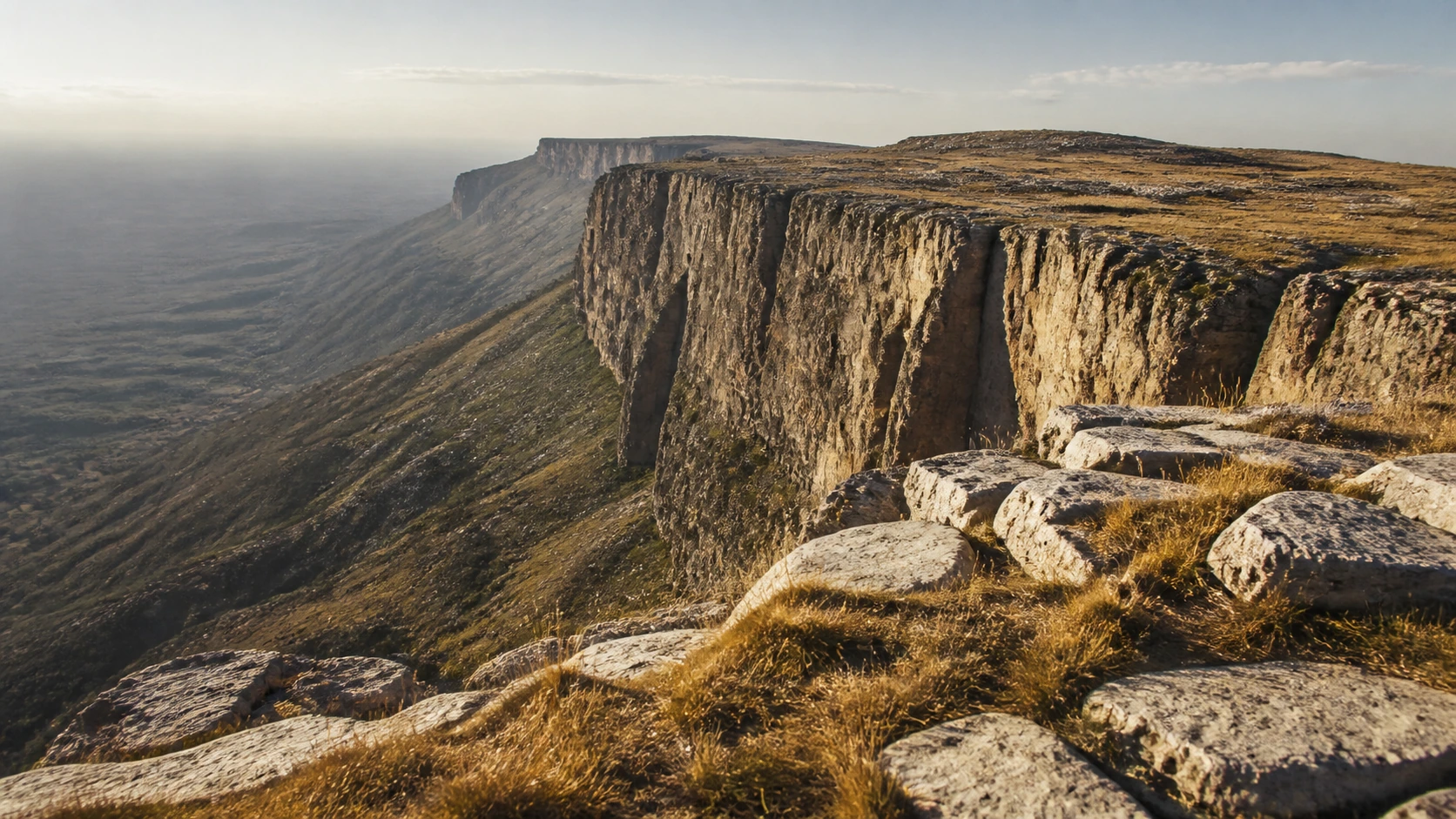
The Tundavala Gap

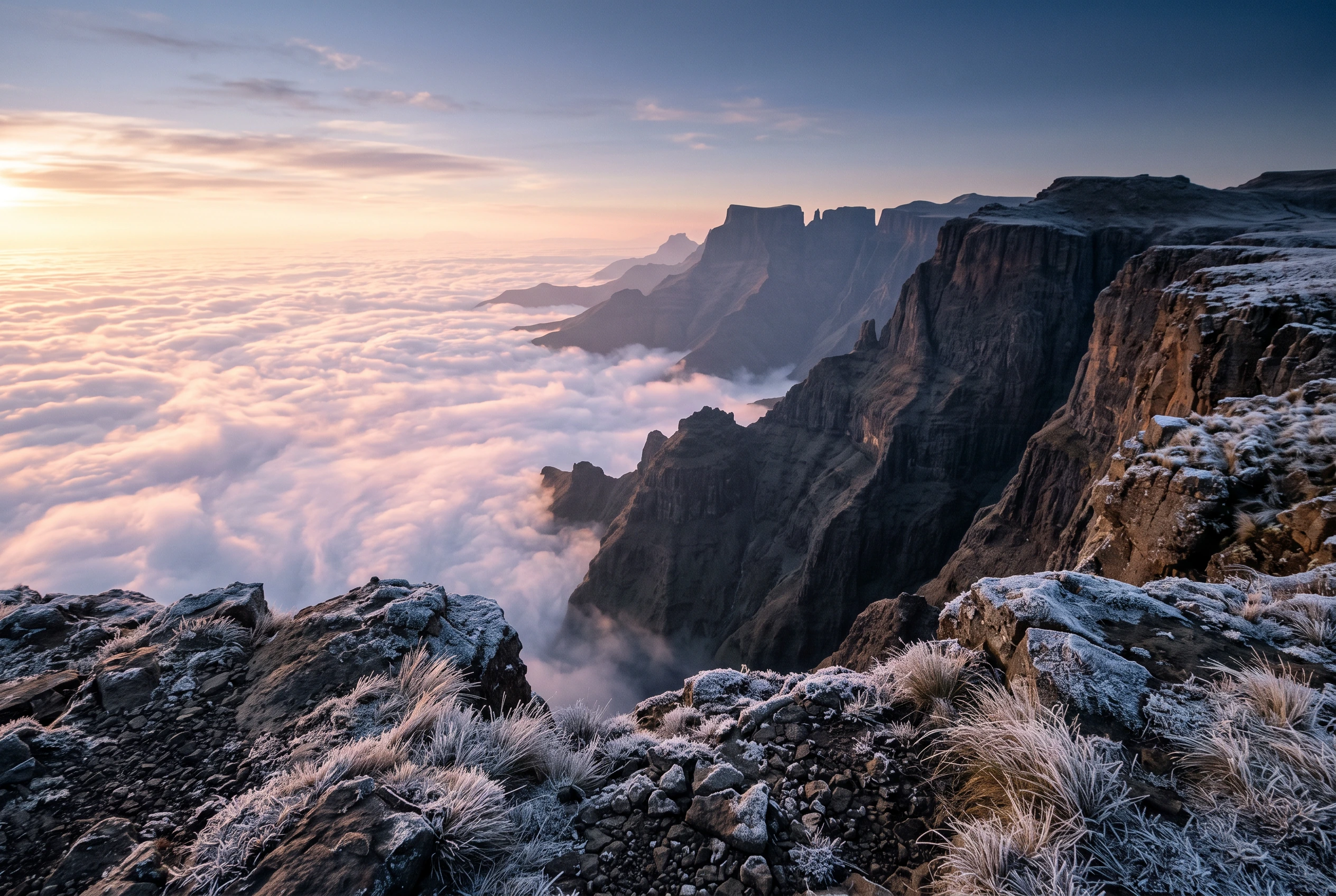
On the rim above Lubango the plateau ends without warning: the ground opens and falls roughly a thousand metres to the plains below, the escarpment running away to either side in bays and buttresses of rock. There are no railings and no crowds — only the wind, the drop, and one of the great views of Africa, at its best in the last hour of light.

The Namib Coast

South of Namibe the oldest desert on Earth runs clean into the Atlantic — dunes and gravel plains on one side, cold surf on the other, and between them shipwrecks rusting where the current stranded them and fishing settlements that see almost no outsiders. It is the Skeleton Coast without the fences, and almost without the footprints.

Luanda

One of Africa's most energetic capitals, strung along a bay the Portuguese founded in 1576. The Marginal promenade curves beneath a skyline built on oil, the pastel old quarter and the São Miguel fortress keep four centuries of history, and the food scene runs on grilled fish, cold beer, and kizomba after dark.

The Expedition

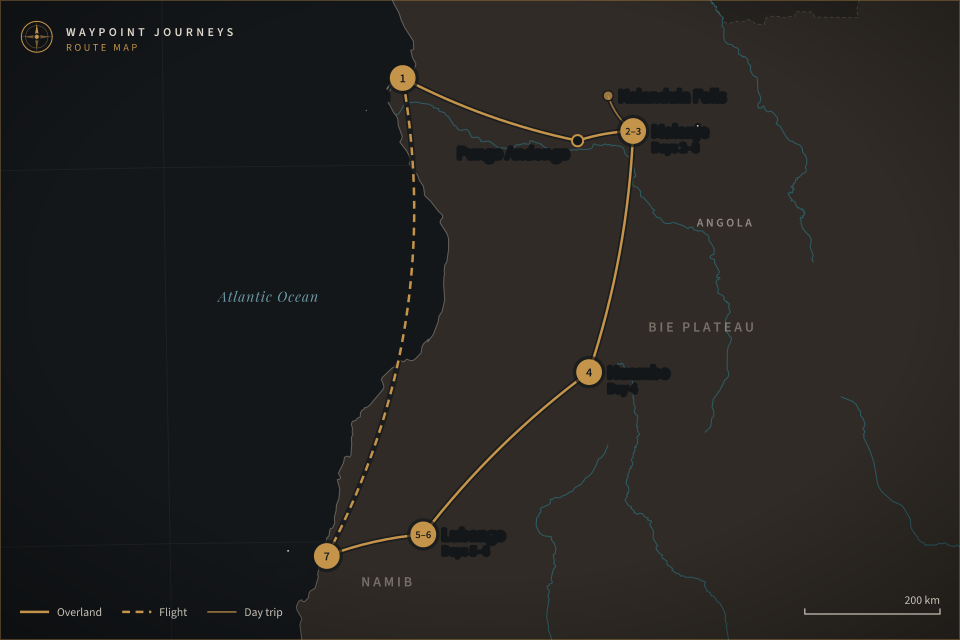
Nine days south through Angola — Luanda, Kalandula Falls and the Pedras Negras, the Serra da Leba and Tundavala, and the coast where the Namib meets the Atlantic.

Day 1
Arrive Luanda · the Marginal & the old town
Day 1

Arrive in Luanda, the Atlantic capital, and settle in above the long curve of the bay. The afternoon takes the city gently: the Marginal seafront promenade, the pastel streets of the old lower town, and the ramparts of the São Miguel fortress, held by the Portuguese for four centuries. In the evening, fresh fish and a briefing on the road south — the expedition proper begins at first light.

Day 2
Into the highlands · Pedras Negras de Pungo Andongo
Day 2

Leave the coast early and climb inland toward Malanje, watching the land change from baobab scrub to green highland. By afternoon the Pedras Negras stand on the horizon — black granite monoliths hundreds of metres high, heaved out of the savanna like the backs of surfacing whales. We walk among them as the light lowers, past the rock said to hold the footprint of Queen Nzinga, who fought the Portuguese from these hills for decades. Two nights in the Malanje region.

Day 3
Kalandula Falls · a full day at the water
Day 3

The whole day belongs to Kalandula. The Lucala River comes off the plateau in a curtain a hundred and five metres high and some four hundred wide — by volume among the largest waterfalls in Africa — and we take it from every side: the viewpoint at the lip, the forest trails that drop through the spray toward the river below, and the long unhurried hours in between for photographs, rainbows, and the simple noise of it. Most days, there is no one else there.

Day 4
South across Angola · coffee country & highland towns
Day 4

A long travelling day south along the spine of the country, and one of its most revealing. The road runs through the old coffee country — plantations the Portuguese walked away from in 1975, some now waking again — and across the planalto through highland towns where the scars of the long war and the recovery since sit side by side. Markets, red earth, eucalyptus smoke: the ordinary Angola almost no traveller sees. Night in a highland town.

Day 5
Serra da Leba & Tundavala at sunset · Lubango
Day 5

An early start brings us to Lubango, the highland city beneath its own Cristo Rei. The afternoon belongs to the Serra da Leba: first the clifftop view over the famous switchbacks, then the descent itself, hairpin by hairpin, to the desert floor and back up again. At dusk we stand on the rim at Tundavala, where the plateau falls away a thousand metres in a single step, and watch the light go out over the plains below. Two nights in Lubango.

Day 6
The edge of the Namib · Namibe
Day 6

Down the escarpment and into another climate entirely: the northern reaches of the Namib, the oldest desert on Earth. The day crosses gravel plains scattered with welwitschia — plants that live a thousand years and more — to the ocean at Namibe, the faded pastel port where the desert runs straight into the cold Atlantic. Fresh seafood by the water, the light turning amber over the dunes, and the mountain road back up to Lubango in the evening.

Day 7
The Atlantic coast · dunes, shipwrecks & fishing villages
Day 7

Down to the coast for good. The day runs along the desert shore where the dunes walk into the surf: rusting shipwrecks stranded where the Benguela current left them, fishing settlements whose boats haul in the cold-water catch, flamingos in the lagoons, and a lunch of fish straight off the ropes. The night is spent on the Namibe coast, with the Atlantic loud in the dark and the desert silent behind.

Day 8
Return to Luanda · farewell dinner
Day 8

Namibe to Luanda — by air when the schedules serve, by road when they do not; we confirm the routing for each departure. The afternoon is Luanda's to give back: a last walk on the Marginal, the craft market, or nothing at all. In the evening the expedition closes the way Angola would want it to — grilled fish, cold beer, music, and a farewell dinner above the bay.

Day 9
Depart Luanda
Day 9

Breakfast above the bay, and the expedition is done. Transfers run to the airport for onward flights at any hour; those with time can take a final coffee on the Marginal, where the Atlantic that followed us from the falls to the desert finally lets us go. Nine days, one long line through a country the world is only beginning to find again.

The Tundavala Gap plunging off the escarpment near Lubango, Angola

Small Group Expedition

Every Detail Arranged.
Every Moment Yours.

What's Included

Duration9 days / 8 nights, round-trip Luanda
Group SizeSmall group expedition: maximum 5 guests
TransportAll ground transport in private 4WD vehicles; Namibe–Luanda by air or road on Day 8 depending on operational conditions
AccommodationEight nights: boutique hotels and carefully selected lodges — Luanda (x2), Malanje region (x2), highland towns (x1), Lubango (x2), Namibe coast (x1)
Included ExperiencesKalandula Falls full day (Day 3); Serra da Leba descent and Tundavala sunset (Day 5); Namib coast exploration (Days 6–7)
GuideEnglish-speaking expedition leader throughout; local guides
MealsBreakfast daily; most lunches and dinners
Entrance FeesAll entrance fees and airport transfers included
Not IncludedInternational flights, Angola visa where required, travel insurance, alcoholic beverages, tips, personal expenses

FREQUENTLY ASKED QUESTIONS

Common Questions About This Expedition

For many travellers, no — since 2023 Angola has waived tourist visas for around a hundred nationalities, including most of Europe, the Americas, and much of Asia, and its e-visa covers most others. It is now one of the easier African countries to enter, which still surprises people. Rules change, so we confirm the current requirement for your passport when you book and guide you through any paperwork.
Angola has been at peace since 2002 and is today one of the calmer countries in the region — visitors are rare enough that the welcome is genuine. The practical considerations are the ones this expedition is built around: long road journeys, which we run in private 4WDs with experienced drivers, and ordinary street-smarts in Luanda, where we stay in good districts and move with local knowledge. We work with vetted local partners throughout and brief every traveller before departure.
We will be honest: this is a driving expedition through very big landscapes, and several days are long ones on the road. Surfaces vary from good tar to rough, slow stretches, and journey times in Angola are measured in hours, not kilometres. We break the distances with the best stops the country offers, travel in comfortable private 4WDs, and where conditions allow we fly the longest leg — Namibe to Luanda on Day 8 — rather than drive it.
The dry season, roughly May to October, is the classic window: cooler air, dust-free skies, and the clearest views off the escarpment at Tundavala and the Serra da Leba. Kalandula, though, is fullest just after the rains, from February to May, when the falls run wall to wall. It is a genuine trade-off — thunder at the falls or crystal air on the rim — and we help you time your departure for the one that matters most to you.

Expedition Investment

$2,950

USD per person, twin share

Fully inclusive of all ground transport in private 4WD vehicles, accommodation, English-speaking expedition leader and local guides, breakfast daily with most lunches and dinners, all entrance fees, and airport transfers

Excludes international flights, visa where required, travel insurance, alcohol, and tips. Single supplement $390. Private departures available on request

Reserve Your Spot
A Note on Safety & Logistics

Angola since the end of its war in 2002 is a stable, welcoming country — and an enormous, thinly touristed one. The distances are real, the infrastructure between the highlights is thin, and this is not a place we would suggest travelling unsupported. What makes the expedition run smoothly is the way it is built: trusted local operators who have worked these routes for years, private 4WD vehicles with experienced drivers, accommodation chosen and checked in person, and a routing we keep deliberately flexible — flying the Namibe–Luanda leg when schedules serve, adjusting road days to conditions. We monitor the practicalities continuously and brief every confirmed traveller in detail before departure. Angola asks a little patience of its visitors, and repays it with landscapes almost no one else has seen.