Waypoint Journeys Presents
Belarus
The Last Echoes of the Soviet Union
7 Days
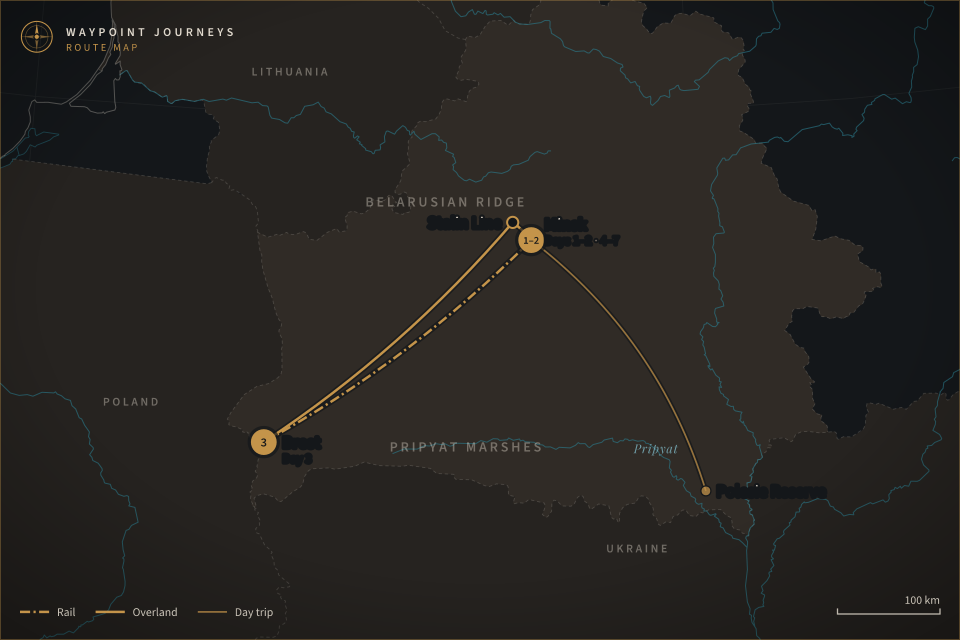
Minsk, Brest & the Polesie Reserve
View Expedition Details ↓ Plan This Expedition →We reply within 24 hours
Europe as Few Travellers Ever See It
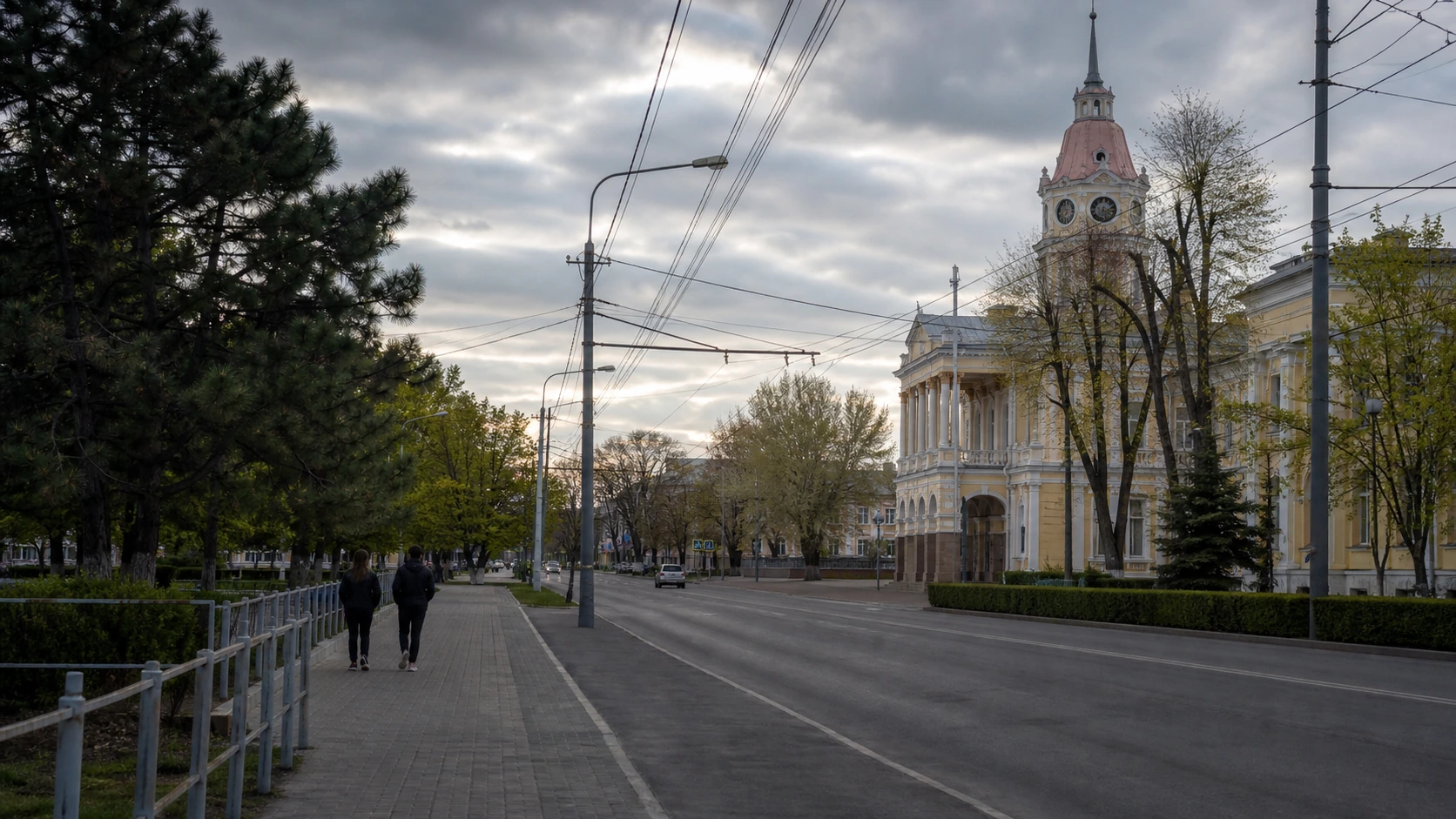
Minsk was destroyed almost completely in the Second World War, and what rose in its place is unlike anywhere else in Europe: a capital rebuilt nearly from zero as one monumental composition. Broad Stalinist avenues run for kilometres between ministries and mosaic-clad blocks; squares open on a scale built for parades; and Independence Avenue — one of the longest and most complete ensembles of postwar Soviet planning anywhere — glows at night from end to end.
Beyond the capital the country slows. Trains cross flat green land through birch and pine towards quiet provincial cities — Brest on the Polish frontier, where the fortress that absorbed the first hours of the German invasion still stands in raw concrete and sculpted stone. In villages, markets, and railway stations, daily rhythms have changed little in generations; the twentieth century never quite left the room.
This is not a museum of the past. Belarus is a country with its own language, its own identity, and its own quiet life at the crossroads of Europe — and in its far south lies the Polesie reserve, on the edge of the Chernobyl zone, where nature is writing the strangest chapter of all. This expedition crosses it in seven days: the monumental capital, the western frontier by rail, the Stalin Line, and the zone returned to the wild.
"History lingers here — not behind glass, but in broad avenues, quiet railway stations, and conversations that reveal a country still little understood."

Europe's Last Soviet Boulevards, and the Forest That Reclaimed the Zone
A capital rebuilt from rubble as a single composition: the Stalinist ensemble of Independence Avenue — among the most complete anywhere — Victory Square and its granite obelisk, and public art on a heroic scale, from mosaic-clad apartment blocks to bronze workers and partisans. Grand, strange, and unlike anywhere else in Europe.
Belarus lost as much as a third of its population in the Second World War, and its central museum is among the most powerful war museums anywhere — halls of partisan relics, dioramas, and aircraft beneath a dome of stained glass, ending in the Hall of Victory. Essential to understanding everything else in the country.
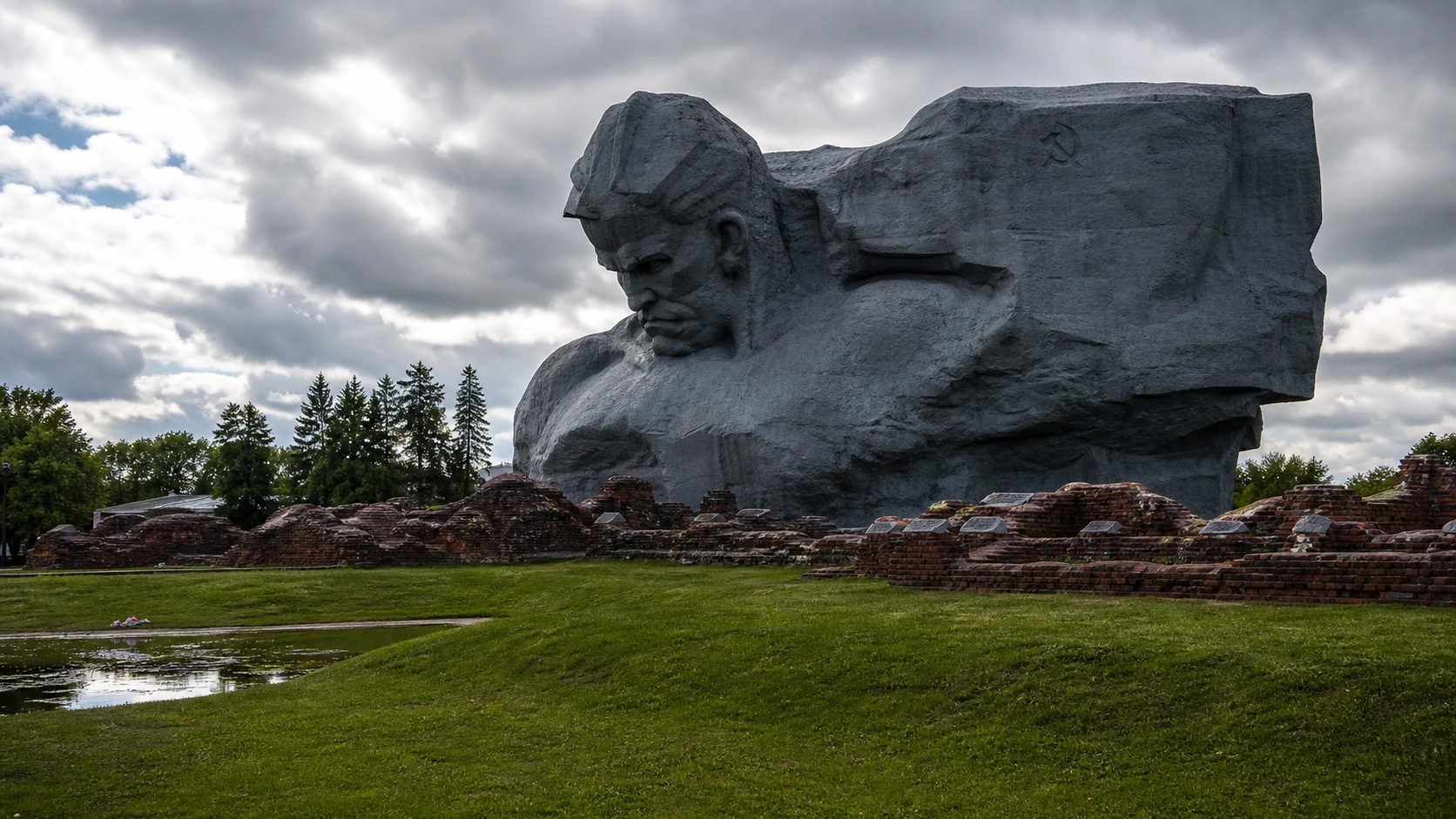
On the Polish frontier, the fortress that took the first blow of the German invasion in June 1941 and held out long after the front had passed. Today it is one of the great memorial complexes of the former USSR: the colossal stone face of the Courage monument, the Thirst sculpture reaching for the river, and the eternal flame.
A restored stretch of the interwar frontier defences that once ran from the Baltic to the Black Sea: bunkers you can walk through, trench lines across the fields, and one of the largest open-air collections of Soviet armour and Cold War relics anywhere — tanks, artillery, and missiles ranged under the open sky.
The Belarusian third of the Chernobyl exclusion zone, sealed in 1988 and returned to the wild: abandoned villages sinking into forest, and bison, wolves, and rare birds moving back in numbers unseen for a century. Entry is arranged with local specialists and subject to permits; radiation on visited routes is low and monitored.
The country between the monuments: rail journeys through birch forest, worker districts where courtyards still hum with ordinary life, market halls stacked with dark bread and forest berries, and cafés where conversation comes easily. The quiet daily rhythms of a country almost no outsider ever sits inside.
The Expedition
Seven days across Belarus — monumental Minsk, Brest and the western frontier by rail, the Stalin Line, and the Polesie reserve on the edge of the Chernobyl zone.
Arrive at Minsk National Airport and transfer into the capital — a city rebuilt almost from zero after the Second World War, and the grandest surviving stage of postwar Soviet planning. Check in, settle, and step out after dark for the first walk: the boulevards of the centre illuminated end to end, Independence Avenue glowing against the night, before a welcome dinner of traditional Belarusian cooking and a briefing on the days ahead.
A full day among the avenues and memorials of Minsk. The morning walks the Stalinist ensemble of Independence Avenue — one of the most complete anywhere — through Independence Square and on to Victory Square, its granite obelisk and eternal flame at the centre of the city's own remembering, with the mosaics and monumental public art of the eastern districts beyond. The afternoon belongs to the Museum of the Great Patriotic War, beneath its dome of stained glass: Belarus lost as much as a third of its population in the war, and the museum is the key to everything else you will see. Evening in the Upper Town, the small surviving fragment of the older city.
The classic way across Belarus: a morning train west from Minsk, hours of birch and pine and flat green country sliding past the window, tea in glasses at the end of the carriage. Arrive into Brest, on the Polish frontier, and walk its pedestrian old town before the day's centrepiece — Brest Fortress at golden hour, where the colossal stone face of the Courage monument stares down the length of the memorial, the Thirst sculpture reaches for the river, and the eternal flame burns for the garrison of June 1941. Overnight in Brest.
Return towards Minsk through the western countryside, the day built around the Stalin Line complex — a restored stretch of the interwar frontier defences that once ran from the Baltic to the Black Sea. Walk through the bunkers and trench lines, and stand among one of the largest open-air collections of Soviet armour anywhere: tanks, artillery, and Cold War relics ranged across the fields north-west of the capital. Arrive back into Minsk by evening.
An early start south to the Polesie State Radioecological Reserve — the Belarusian third of the Chernobyl exclusion zone, sealed since 1988 and left to the wild. With the reserve's own specialists we follow its permitted routes: abandoned villages sinking into forest, recovering ecosystems where bison, wolves, and elk have returned, and the monitoring projects that study it all. Entry is subject to government permits and operational conditions, and radiation on the routes we visit is low and monitored; where authorization is withheld, we substitute an equivalent day and say so plainly in advance. Return to Minsk in the evening.
A day inside the ordinary life of the capital. The morning explores an industrial district and its worker housing — the courtyards, canteens, and Palaces of Culture of the planned city — then the market halls, stacked with dark bread, smoked fish, and forest berries. The afternoon is free for your own Minsk: galleries, cafés, or the viewing deck of the National Library's glass rhombicuboctahedron. In the evening, a farewell dinner of traditional Belarusian cooking.
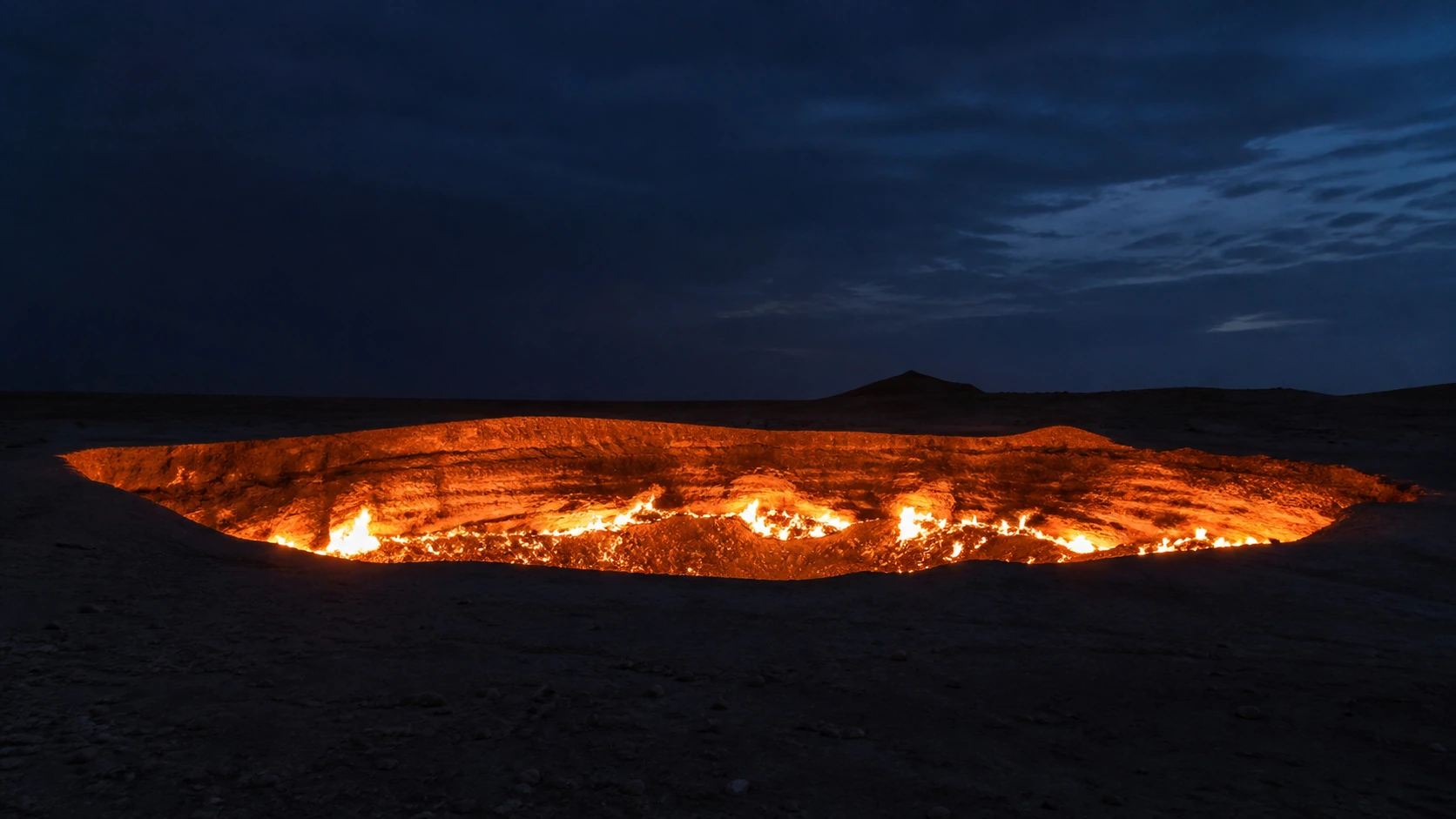
The expedition closes with breakfast and the transfer to Minsk National Airport for onward flights. For those drawn further into the vanished world, ask us about pairing Belarus with Moldova and Transnistria, or with the white marble and burning crater of Turkmenistan.
What's Included
FREQUENTLY ASKED QUESTIONS
Common Questions About This Expedition
Expedition Investment
USD per person, twin share
Fully inclusive of centrally located hotels, domestic rail travel, the Polesie Reserve permit arrangements, all listed experiences and entries, the expedition leader and local guides, and all ground transport with listed meals
Excludes international flights, visa where required, travel insurance, alcohol, and tips. Single supplement $340. Private departures available upon request
Reserve Your SpotBelarus is heavily sanctioned and politically isolated, and we do not pretend otherwise. What makes the country travellable is the way the trip is built: it is run with trusted local partners, it follows a strict no-politics rule — no demonstrations, no political activity, no photography of sensitive sites — and every traveller is briefed on local law before departure. At street level, Minsk is one of Europe's calmer capitals, with very low street crime and an orderly public realm. We monitor conditions continuously, and where permits are withheld — above all for the Polesie reserve — we substitute equivalent experiences and say so plainly in advance. This is a destination for curious, well-prepared travellers, and carefully-run travel here keeps a window open between people that has closed almost everywhere else.