Waypoint Journeys Presents

Where Empires End

Moldova · Transnistria · Odessa

4 Days

Europe's Forgotten Corner — Soviet Ghosts, Underground Wine, and the Black Sea

View Expedition Details ↓

The Least-Visited Country in Europe

Moldova is the least-visited country in Europe. Not the least visited in Eastern Europe — in all of Europe. It sits landlocked between Romania and Ukraine, and almost nothing about it appears in conventional travel writing. This is an oversight. Moldova produces wine on a scale and to a quality that most Europeans are unaware of: the underground cellars of Mileștii Mici extend for 200 kilometres of tunnels and hold over two million bottles — the largest wine collection in the world by volume, according to Guinness World Records.

And within its borders sits Transnistria: a sliver of territory between the Dniester River and the Ukrainian border that declared independence from Moldova in 1990, fought a brief war to establish it, and has been operating as a de facto state ever since — with its own government, army, currency (the Transnistrian ruble, accepted nowhere else on Earth), passport, and Lenin monuments on every significant street corner. No member of the United Nations recognises it. Crossing into it is one of the more genuinely strange experiences available in Europe.

Odessa — before the war made it inaccessible — was the logical extension: a Black Sea port city of Italianate architecture, catacombs, and the famous Potemkin Steps, a place whose cosmopolitan past placed it alongside Trieste and Thessaloniki. That leg is currently suspended; please read the safety notice above. The Moldova and Transnistria days operate normally, with a worthwhile Soroca substitution standing in for Odessa until it can be safely reinstated.

"A de facto state with its own army, currency, and passport that no member of the United Nations recognises — crossing into it is one of the strangest experiences available in Europe."
The view from the cave monastery at Orheiul Vechi over the Răut River, Moldova
The cave monastery at Orheiul Vechi

Soviet Ghosts and Underground Wine

Transnistria

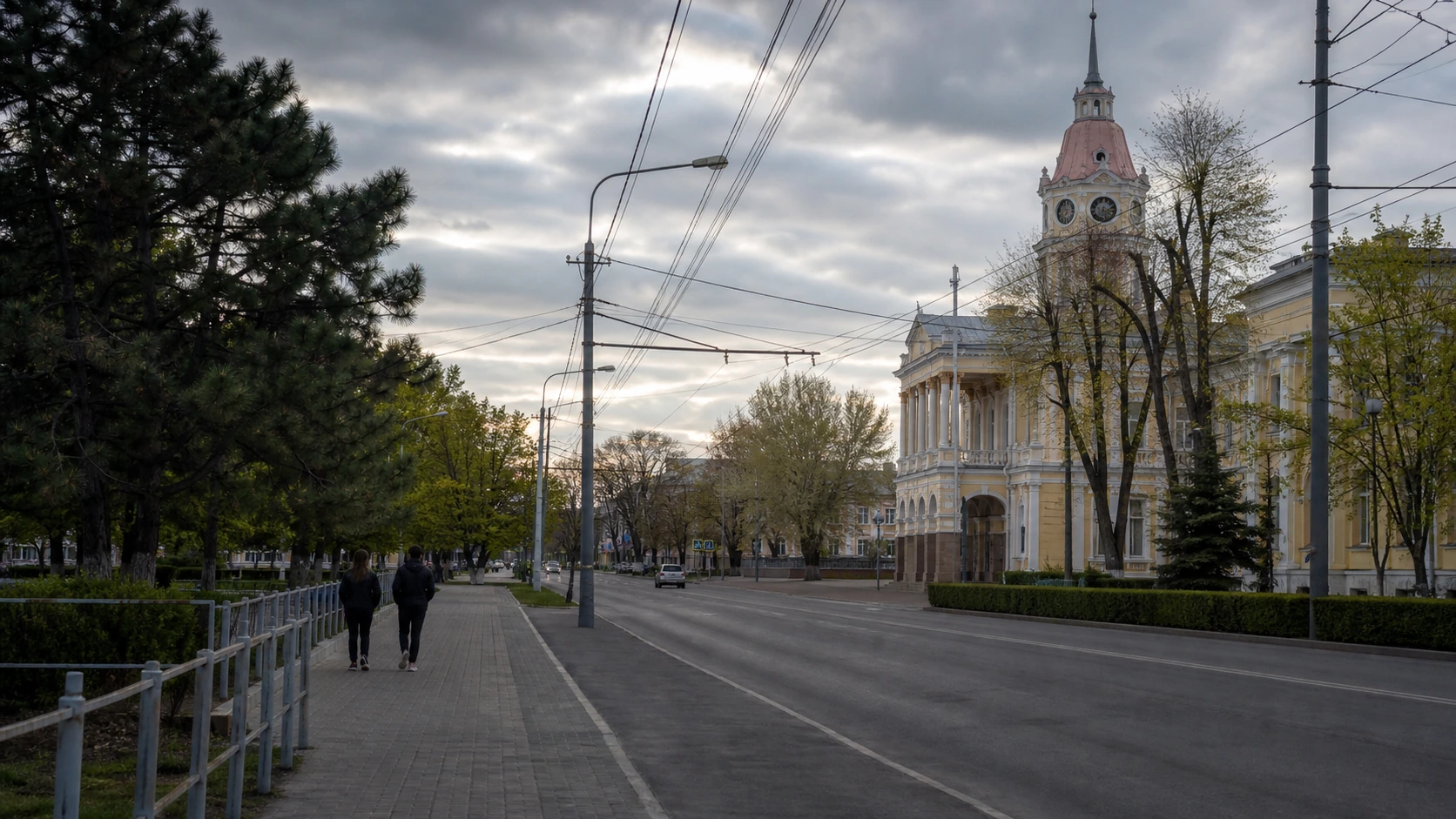
A de facto state that no country recognises — its own border guards, currency, passport, and Lenin monuments. Tiraspol is a Soviet city largely unchanged since the late 1980s: the main boulevard runs from the Lenin monument to the House of Soviets, with 1992-war tanks on plinths outside parliament.

The World's Largest Wine City

Mileștii Mici extends for 200 kilometres of illuminated limestone tunnels beneath the southern suburbs, navigated by car rather than on foot, each intersection signed with a vintage. Over two million bottles — the largest wine collection in the world by volume.

Orheiul Vechi

A cliff face in a bend of the Răut River, carved through successive civilisations from the Bronze Age to the medieval Moldovan principality. A cave monastery dug into the limestone is still occupied by a small community of monks — cells, church, and refectory all carved from the rock.

Cricova's Sparkling Wine

A second underground wine city outside Chișinău — smaller than Mileștii Mici but architecturally more elaborate, its tunnels including a private cellar maintained for Soviet leaders, still holding bottles labelled with Brezhnev's name. The tasting focuses on Cricova's classical-method sparkling wine.

Chișinău

A Soviet-era capital of broad boulevards and Orthodox churches rebuilding its identity since 1991 with more success than its reputation suggests — the Cathedral of Christ's Nativity, the National History Museum, and a Centru district quietly reinventing traditional Moldovan cuisine.

Europe's Best-Value Expedition

At $695, the most affordable expedition in our portfolio — a genuinely unusual four days in the corner of the continent almost nobody reaches, at a price point that makes the strangeness accessible.

The Expedition

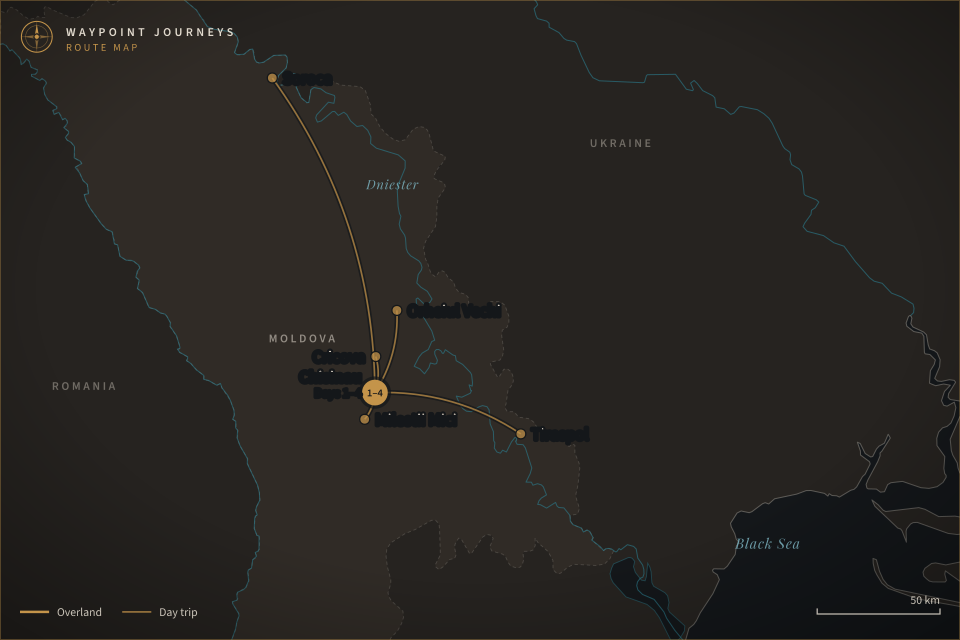
Four days based in Chișinău — wine, Soviet ghosts, and a cave monastery. (Odessa day suspended; Soroca substitution in place.)

Day 1
Chișinău · Mileștii Mici
Day 1

Chișinău rewards the lowered expectation. The capital was largely destroyed in World War II and rebuilt in Soviet style — wide boulevards, monumental public buildings, a central park — but the result is less oppressive than the description suggests, with a warmth the guidebooks underplay. The Cathedral of Christ's Nativity and its triumphal arch anchor the main square; the National History Museum holds one of the better archaeological collections in the region. In the evening, we visit Mileștii Mici: the underground wine city of illuminated limestone tunnels, navigated by car, each intersection signed with a vintage. The cellar holds over two million bottles; the tasting takes in the estate's best Fetească Neagră and Rară Neagră — indigenous varieties most wine drinkers have never encountered.

Day 2
Transnistria · Tiraspol · Bendery
Day 2

The crossing from Moldova into Transnistria is one of the most disorienting border experiences in Europe. There is a checkpoint, border guards in uniforms bearing insignia no other country recognises, a form, a fee, a registration slip surrendered on exit — and then nothing changes visibly, except that the currency in your pocket is now worthless and the state that has just admitted you does not, by international law, exist. Tiraspol is a Soviet city largely unchanged since the late 1980s: the main boulevard runs from the Lenin monument to the House of Soviets, tanks from the 1992 war on plinths outside parliament. The Bendery Fortress, a sixteenth-century Ottoman citadel on the Dniester, closes the day on the way back to Chișinău.

Day 3
Orheiul Vechi · Cricova
Day 3

A day for the two sides of Moldova that most visitors miss entirely. The morning drive north to Orheiul Vechi — Old Orhei — passes through the Moldovan countryside: rolling vineyards and sunflower fields, white-walled villages, beehives in every garden. The archaeological and monastic complex is a cliff face in a bend of the Răut River, carved through successive civilisations; a cave monastery dug into the limestone is still occupied by a small community of monks. In the afternoon, the Cricova cellars outside Chișinău: a second underground wine city, architecturally more elaborate, holding a private cellar once maintained by Soviet leaders. The tasting here focuses on Cricova's classical-method sparkling wine, considered among the finest in Eastern Europe.

Day 4
Soroca (Odessa when conditions permit)
Day 4

Current operational version: a free morning in Chișinău followed by an extension to Soroca — a northern Moldovan city with a medieval fortress on the Dniester and the most significant Roma community in the country, whose hilltop neighbourhood of baroque and eclectic palaces overlooking the river is one of the more unexpected architectural experiences in the region — before an onward connection to Bucharest. When conditions permit, Day 4 is instead a full day in Odessa: the Black Sea's great cosmopolitan port, the Potemkin Steps, the catacombs, and the nineteenth-century Old Town. Guests booking now will have the Odessa day added at no extra cost when it can be operated safely.

A street scene in Tiraspol, the capital of Transnistria

Small Group Expedition

Europe's Strangest Border.
Properly Crossed.

What's Included

Duration4 days / 3 nights, based in Chișinău
Group SizeSmall group expedition: maximum 5 guests
Guide & TransportLicensed local guide throughout; private vehicle and driver; Transnistria border crossing logistics handled
Wine ExperiencesMileștii Mici cellar tour and tasting (Day 1); Cricova cellar tour and tasting (Day 3)
Included SitesOrheiul Vechi cave monastery (Day 3); Bendery Fortress (Day 2)
AccommodationThree nights at a hotel in Chișinău
Odessa DayCurrently suspended pending security; included at no additional cost when it can be operated safely. Soroca substitution in place meanwhile
Not IncludedInternational flights, travel insurance, Transnistria entry registration fee (minimal, paid at the border), meals other than breakfast, tips, alcohol beyond included tastings

FREQUENTLY ASKED QUESTIONS

Common Questions About This Expedition

Transnistria is unusual rather than dangerous for organised visitors. The territory is tightly controlled by its own security apparatus and crime against tourists is very rare. Our guide handles all interactions with border officials and manages the registration process. That said, most Western governments include Transnistria in their broader Ukraine-adjacent caution advisories; we recommend reading your government's current guidance before booking. The territory has been in a stable frozen conflict since 1992.
Odessa is in Ukraine, which is an active war zone. We have suspended this day pending conditions. We monitor the situation continuously and will reinstate the Odessa leg as soon as we are confident it can be operated safely. Guests booking now will have the Odessa day added to their itinerary at no extra cost when conditions allow. In the meantime, the Soroca substitution on Day 4 is genuinely worthwhile.
Moldova is visa-free for EU, UK, US, Canadian, and most Western passport holders for stays up to 90 days. No visa is required at the border. Transnistria is entered on a registration slip issued at the checkpoint — no additional visa is needed.
Yes, easily. Chișinău has direct flights to Bucharest and is about two hours by road from the Romanian border. We can arrange an onward extension into Romania — Iași and the painted monasteries of Bukovina are the most natural continuation. Ask us when you enquire.

Expedition Investment

$695

USD per person, twin share — our most affordable expedition

Fully inclusive of accommodation, licensed guide, private transport, Transnistria crossing logistics, both wine cellar tours and tastings, and listed sites

Excludes international flights, travel insurance, meals other than breakfast, and the minimal Transnistria registration fee. Single supplement $95. The Odessa day is included at no extra cost when it can be operated safely

Reserve Your Spot
A Note on Safety

This page is published in full for when conditions allow, and as a Moldova-and-Transnistria version that can be confirmed now. Odessa, Ukraine is an active war zone; the Odessa day is suspended until the security situation permits safe operation, and the current operational itinerary substitutes Soroca on Day 4. The Moldova and Transnistria components operate normally — Transnistria is unusual rather than dangerous for organised visitors, tightly controlled by its own security apparatus, with our guide handling all border interactions. Most Western governments advise against travel to Transnistria and Ukraine; we recommend reading your government's current guidance, and we will confirm the operational status of each leg honestly at the time of enquiry.