Waypoint Journeys Presents
The South Pacific
The Fabulous Five
18 Days
Fiji, Tonga, Samoa, Vanuatu & the Solomons — in the Season of the Whales
View Expedition Details ↓ Plan This Expedition →We reply within 24 hours
Five Nations, One Continuous Arc of Ocean
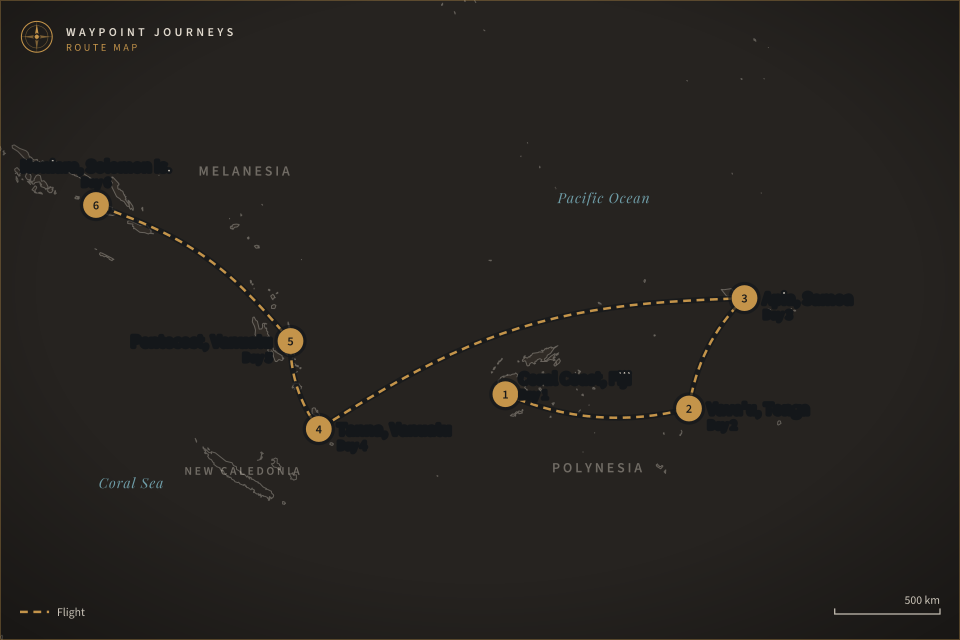
Between Fiji and the Solomon Islands the Pacific stops being a distance and becomes a place. Five nations — Fiji, Tonga, Samoa, Vanuatu and the Solomon Islands — lie strung across it in one continuous arc of ocean, close enough to link by inter-island flight, ferry and boat, far enough apart that almost no one ever does. This expedition draws that line in a single unbroken journey, and it is timed deliberately: departures run only from mid-July to late October, when the humpback whales return from Antarctic waters to breed and calve along the very corridor we travel.
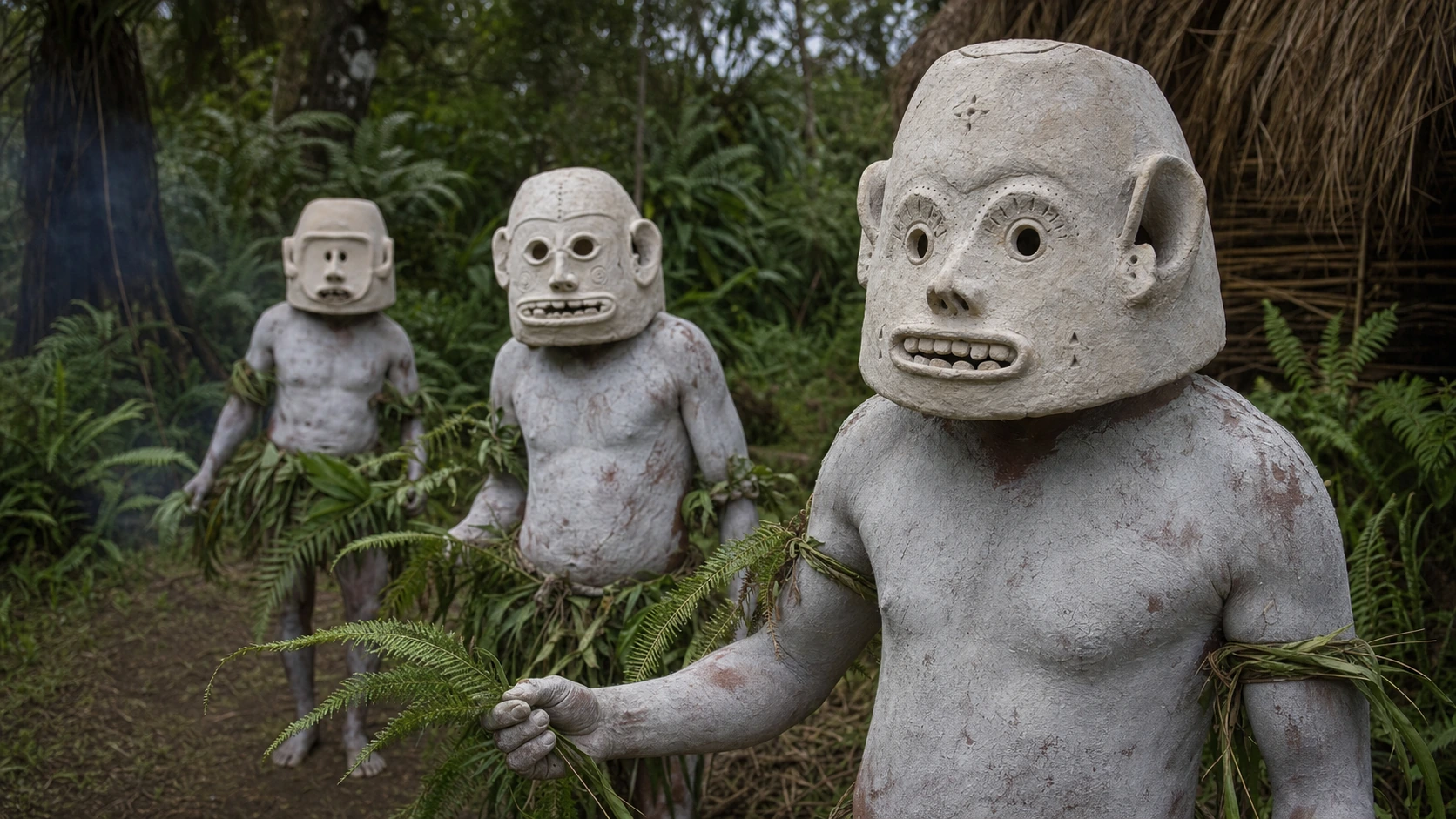
The route is built around three moving systems. The first is the whales themselves — in Tonga and again in the Solomons, where we enter the water with them under some of the only laws on Earth that allow it. The second is fire: Vanuatu's active volcanic belt, where Mount Yasur has been erupting for centuries and the crater rim can be reached on foot at night. The third moves slowest of all — the cultural continuum from Polynesia into Melanesia, from Samoa's fa'a Samoa through Tonga's kingdom to the kastom villages of Vanuatu and the Solomons, a thread of ceremony, kava and ocean navigation older than any border.
And it moves the way the Pacific moves: slowly. Inter-island flights, ferries and open boats carry the expedition between and within the five countries, and the nights are spent in eco-lodges and village guesthouses rather than resorts — close to the water, close to the communities, with the reef at the door instead of a pool. Eighteen days, five flags, one ocean.
"Coral kingdoms, an erupting volcano, ritual land divers, and the annual return of the humpbacks — one continuous arc of ocean."

The Season of the Whales, and the Mountain That Never Sleeps
Tonga is one of the only places on Earth where it is legal to swim with humpback whales, and the expedition is timed to their July–October return from Antarctic waters. Guided, in small groups, and conditions permitting: a mother and calf hanging in blue water is the greatest wildlife encounter the ocean offers.
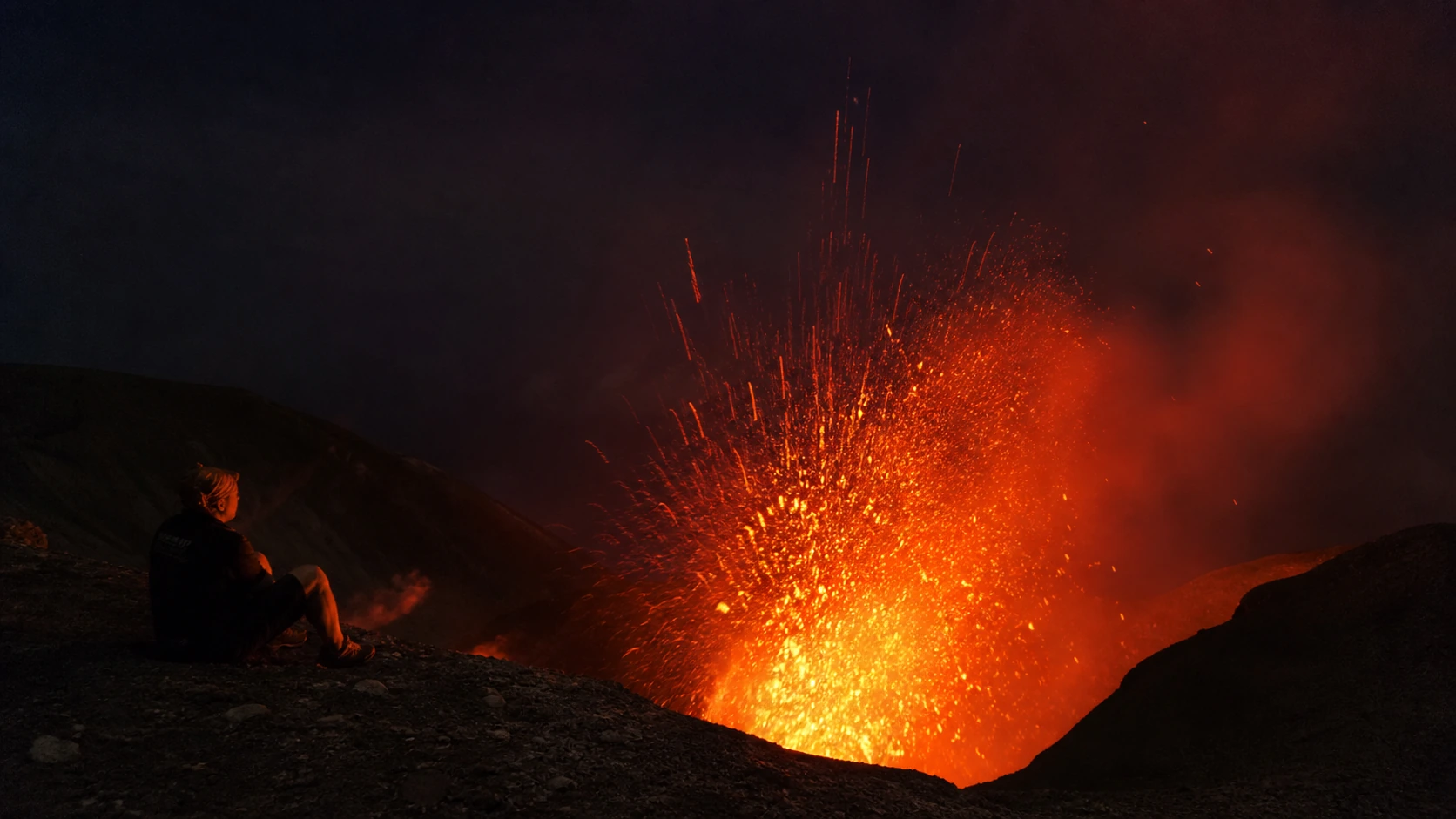
On Tanna, Mount Yasur has been erupting more or less continuously for centuries — and it can be climbed. We ascend at dusk for the crater rim after dark, when every detonation throws arcs of molten rock against the night sky, close enough to feel each concussion in your chest.
On Pentecost Island, men dive head-first from hand-built wooden towers with only forest vines tied to their ankles — the Naghol, the ancestral vine-jump rite that inspired bungee jumping. Ceremonial jumps are subject to the village ceremonial calendar; the towers, the kastom and the communities that keep the ritual alive receive us either way.
A vast emerald swimming hole sunk thirty metres into Upolu's lava fields and refilled by the sea — the To Sua Ocean Trench, reached by a single long ladder. Around it runs Samoa's lava coast: blowholes, black rock, rainforest waterfalls, and the villages of fa'a Samoa, the Samoan way.
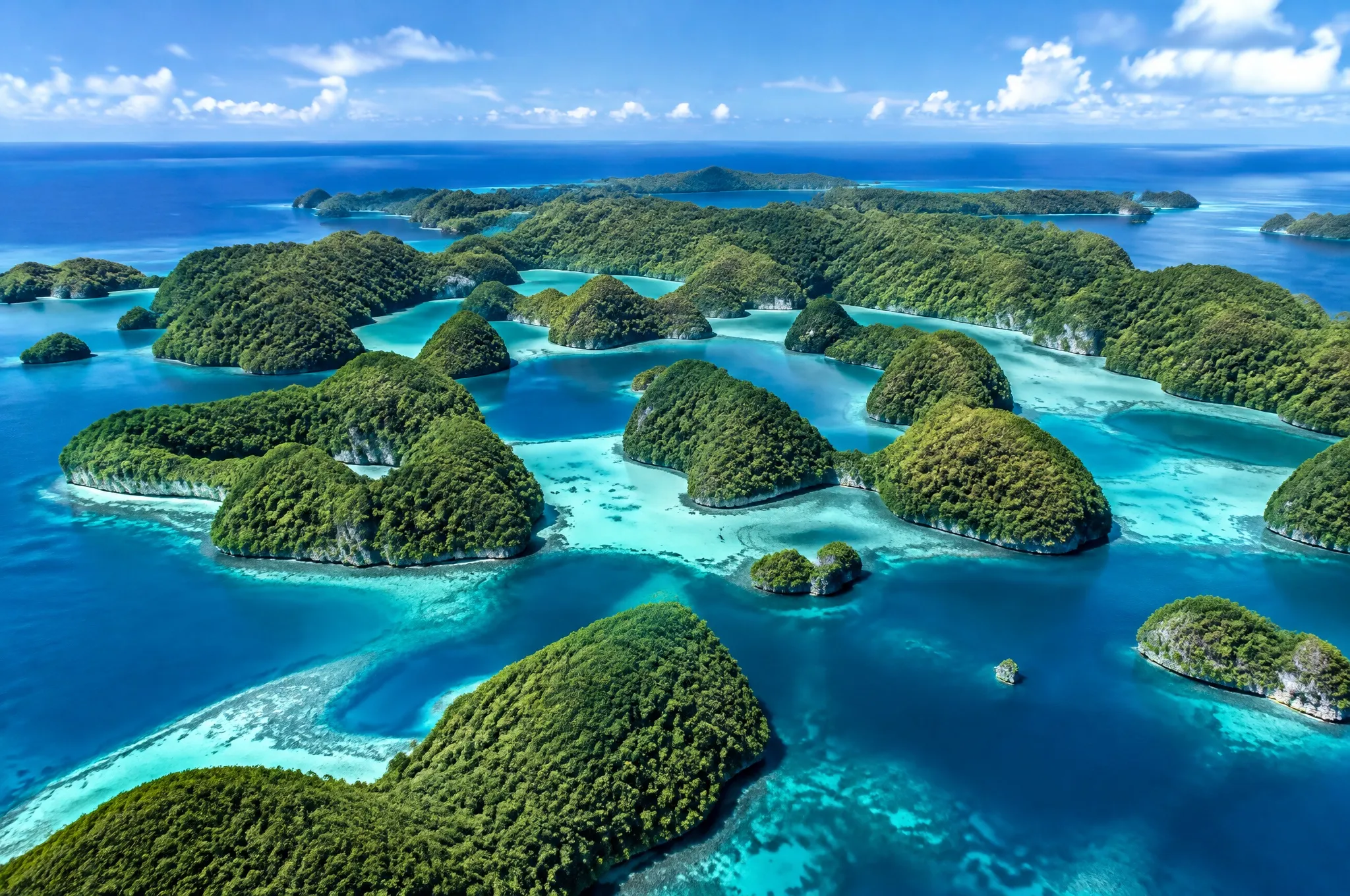
The far edge of the journey and its wildest days: WWII wreck snorkelling in water that hides entire fleets, motor-canoe island hopping through lagoons that see almost no visitors, and village stays where the community itself is the host. The Solomons are the Pacific as it was.
The ceremonies and feasts on this expedition are hosted by communities, not staged for resorts: kava shared in the chief's circle in Fiji, an umukai feast lifted steaming from a Samoan earth oven, kastom dances in Vanuatu. It is the Pacific as its people live it, offered because we arrive as guests.
The Expedition
Eighteen days across five nations of the South Pacific — Fiji, Tonga, Samoa, Vanuatu and the Solomon Islands — linked by inter-island flight, ferry and boat.
The expedition gathers in Fiji, where the far Pacific begins. Three days on the Coral Coast to acclimatize — to the heat, the water, and the pace of island time — with a boat transfer across the lagoon to our base above the reef. A village kava ceremony marks the traditional welcome and sets the register for the weeks ahead, and the first snorkelling runs through the coral cathedrals of the lagoon: canyons and swim-throughs of hard coral in water warm as breath.
Fly east to the Kingdom of Tonga — the only Pacific nation never colonised, and in these months, the nursery of the humpbacks. Each day is built around whale-swim excursions, conditions permitting: guided, in small groups, slipping into blue water as the whales rest and breach and sing. Between excursions the days explore limestone sea caves lit from below, freshwater pools sunk in the coral rock, and an evening of traditional canoe navigation at sunset, steering by swell and star as Tongans always have.
Two days in Samoa, the heart of Polynesia, where fa'a Samoa — the Samoan way — still orders every village green. We cross Upolu's lava fields and hike into the rainforest of the interior, then descend the long ladder into the To Sua Ocean Trench, an emerald swimming hole sunk deep in the lava coast and fed by the sea. The second evening belongs to a village umukai — a feast lifted steaming from the earth oven — followed by a storytelling night under the fale, where Samoa's history is kept out loud.
Into Melanesia. On Tanna the ash plains spread grey and lunar beneath Mount Yasur, and by late afternoon we are climbing it. The night ascent puts us on the crater rim after dark, when the mountain's constant eruptions throw molten rock against the stars and each detonation arrives through the soles of your feet. By day, the island's kastom villages — communities that have chosen to keep the old ways — receive us on their own terms, an access built on years of relationship rather than a ticket.
North to Pentecost Island, home of the Naghol — the land dive, the ancestral vine-jump ritual from which bungee jumping was born. Our time with the land-diving towers and the ritual world around them is arranged with the villages and subject to the ceremonial calendar: sometimes a jump, always the towers, the kastom and the stories of the men who leap. Around the ritual, the days trek Pentecost's forest ridges and wild coastline — an island where almost no outside traveller sets foot.
The final six days push to the edge of the Pacific. The Solomons sit on the same humpback corridor as Tonga, and we build in further whale excursion days on water almost nobody watches. Between them: snorkelling the WWII wrecks that made these islands famous — fighters, freighters and whole fleets resting in shallow, glass-clear water — island-hopping by motor-canoe through the lagoons, and rainforest-to-reef days that begin under the canopy and end on the coral. The nights are community-led village stays, and the expedition closes in Honiara for onward flights.
What's Included
FREQUENTLY ASKED QUESTIONS
Common Questions About This Expedition
Expedition Investment
USD per person, twin share
Fully inclusive of all inter-island flights, ferries and boat transfers across the five countries, whale-swim excursions in Tonga and the Solomons, the Mount Yasur ascent, accommodation, expedition leader and local guides, and village ceremonies and feasts with listed meals
Excludes international flights, travel insurance, some urban meals, and tips. Single supplement $780. Seasonal departures mid-July–late October; whale encounters are wild and never guaranteed
Reserve Your SpotThe far Pacific is ruled by its weather. Open-water crossings run only when sea conditions allow, and we reroute in real time — swapping days, resequencing islands, holding a crossing until the wind drops — rather than forcing a schedule against the ocean. Mount Yasur is an active volcano with official access levels; we climb only when the alert level permits and keep to the guided rim routes. Across all five countries we plan for remoteness: our teams carry communications and first-aid equipment, we know the evacuation options from every island we use, and we brief every confirmed traveller in detail before departure. This is real expedition travel, run with real expedition planning.