Skip to content

Waypoint Journeys Presents

Egypt Off the Map

Cairo's Hidden City, the Nile Road South & the Temple at the End of the World

7 Days

Beyond the Pyramids — Everything the Package Tours Skip

7 DaysFrom $3,495 USDMax 5 guests

We reply within 24 hours

The Most Photographed, Least Experienced Country on Earth

Every itinerary in Egypt covers the Pyramids of Giza, the Egyptian Museum, the Valley of the Kings, and Karnak. This one treats those sites as context rather than centrepiece, and builds the week around the Cairo that the pyramids tourists never enter, the road south along the Nile that most visitors fly over, and the Nubian south where Aswan and Abu Simbel sit at the edge of what the ancient Egyptians called the world's end.

Egypt is one of the most over-photographed and under-experienced destinations on the planet. The antidote is a guide who knows it properly, a private vehicle, and an itinerary built around what most operators skip. We open in Islamic and Coptic Cairo, descend to the Zabaleen's Garbage City and its astonishing cave church, then board the overnight sleeper train south through the Nile Valley.

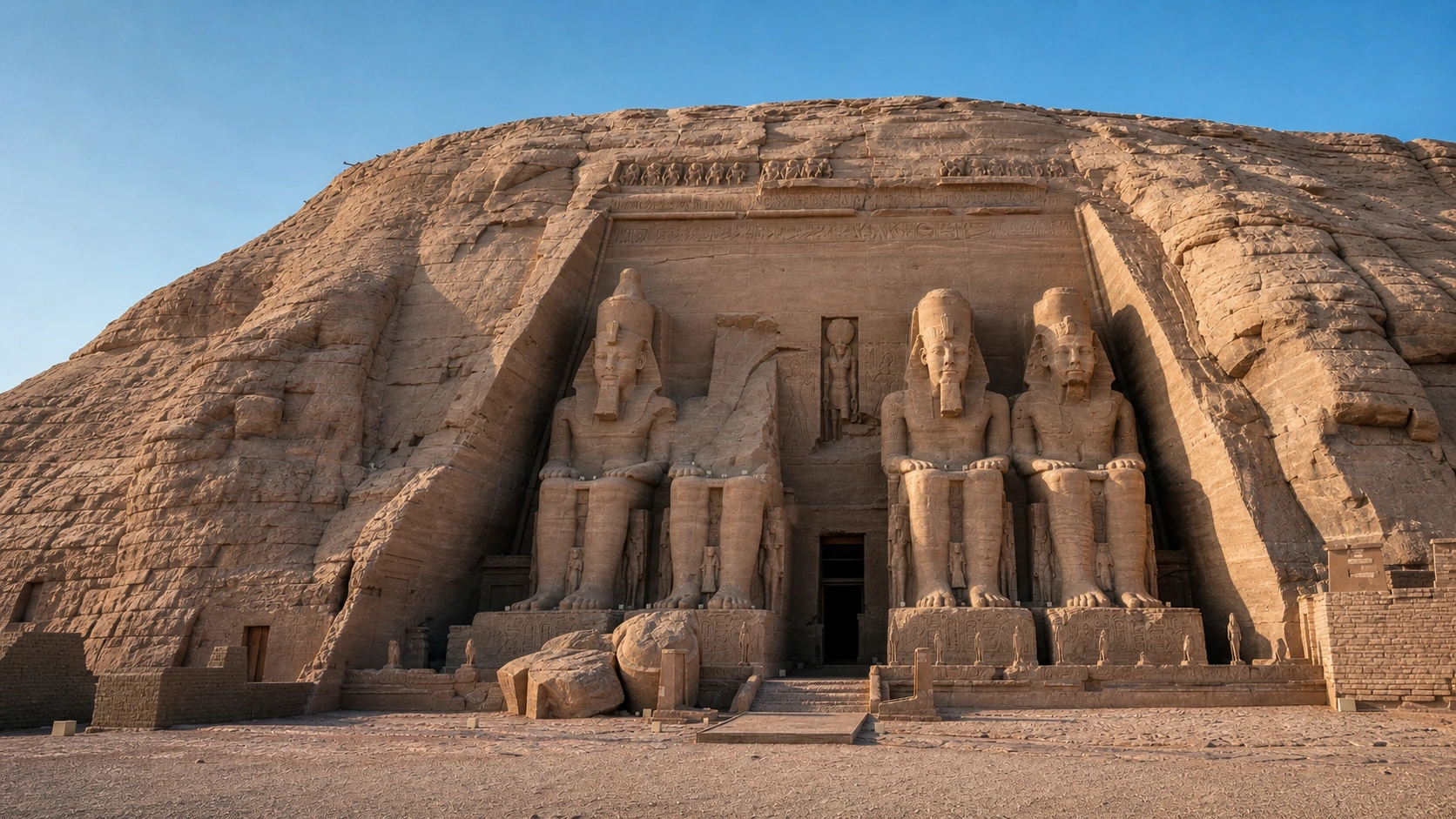
From Luxor — ancient Thebes, the largest concentration of ancient Egyptian remains on Earth — we sail a felucca south, cross to a Nubian village by the river, stand on the relocated island temple of Philae, and finish at Abu Simbel, where four twenty-metre colossi have watched the approach to Nubia since 1265 BC. Seven days that redraw your mental map of a country you thought you already knew.

"This is the Egypt between the postcards — the cave church above the city, the sleeper train at dawn, the empty desert road to the end of the world."
Towering columns of the Great Hypostyle Hall at Karnak Temple, Luxor
The Great Hypostyle Hall, Karnak

The Egypt Most Travellers Never See

Garbage City & the Cave Church

Manshiyat Naser, home to the Coptic Zabaleen who recycle 90% of Cairo's waste by hand, and the Monastery of St Simon — cave churches carved into the Mokattam cliff, the largest seating 20,000, the biggest church in the Middle East.

Islamic & Coptic Cairo

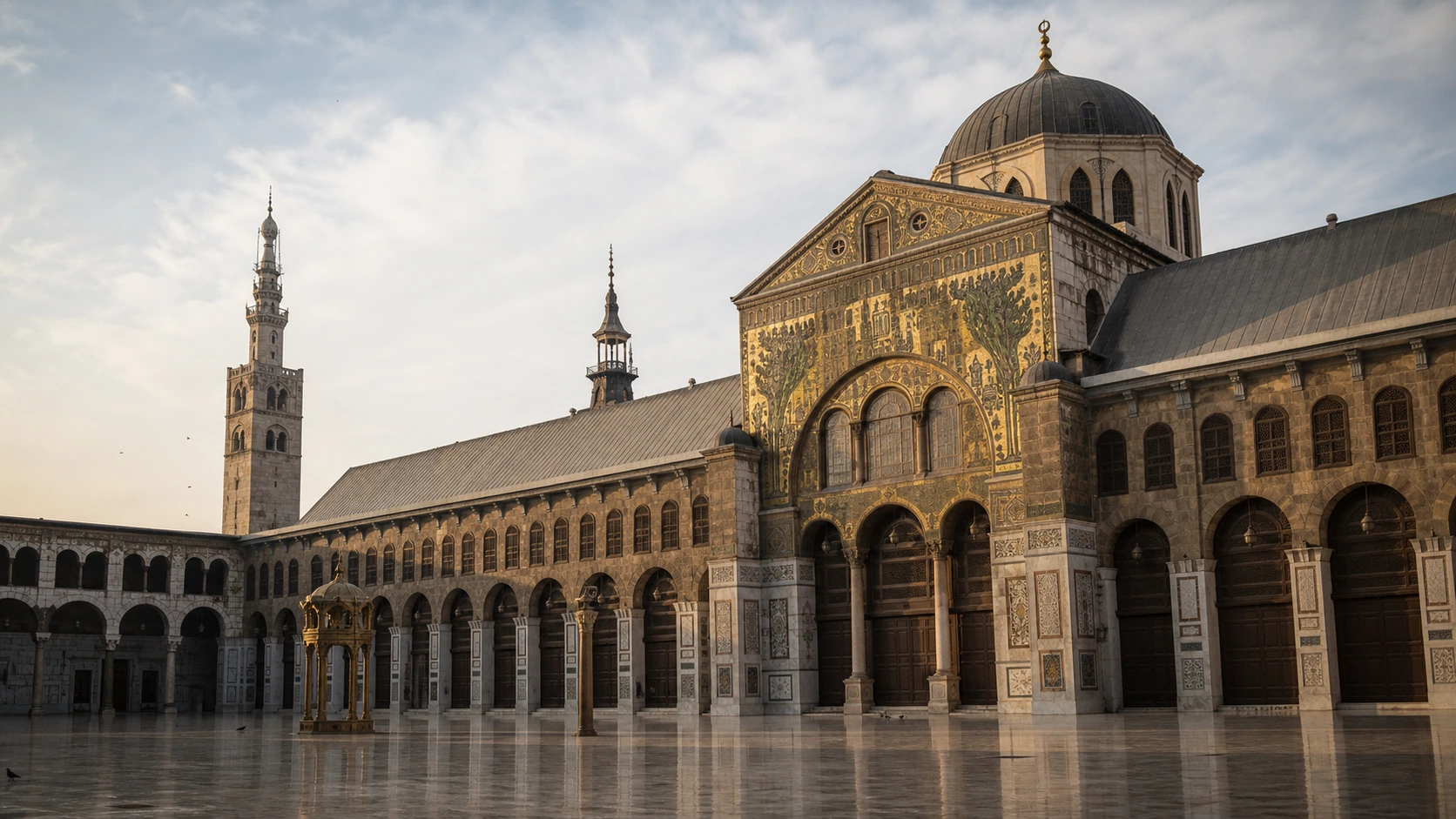
The fourteenth-century lanes of Khan el-Khalili, the Al-Azhar Mosque (founded 970 AD), the Hanging Church over a Roman fort gate, and the Ben Ezra Synagogue — fifteen centuries the pharaonic circuit ignores.

The Nile Sleeper Train

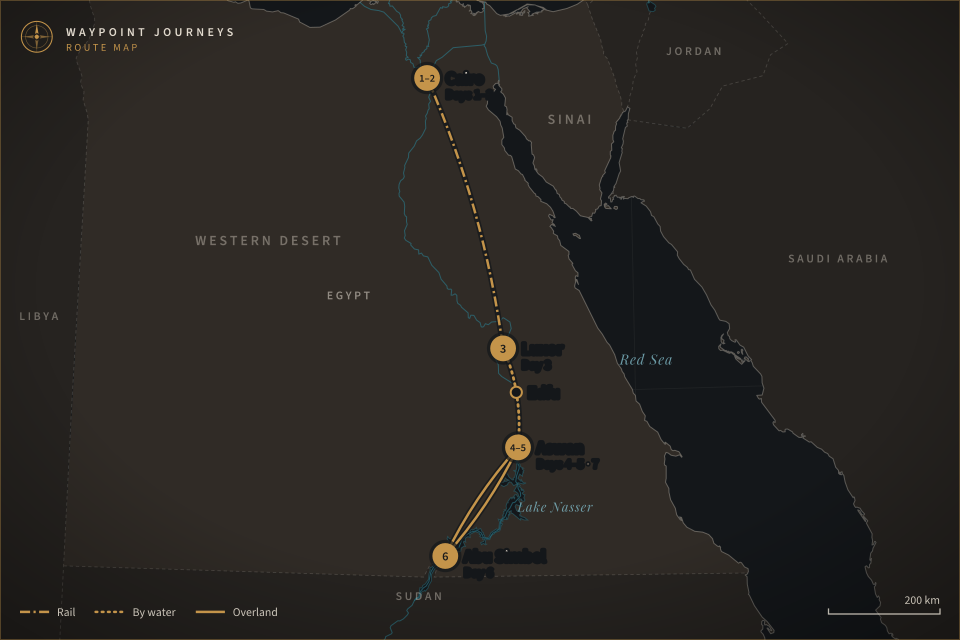
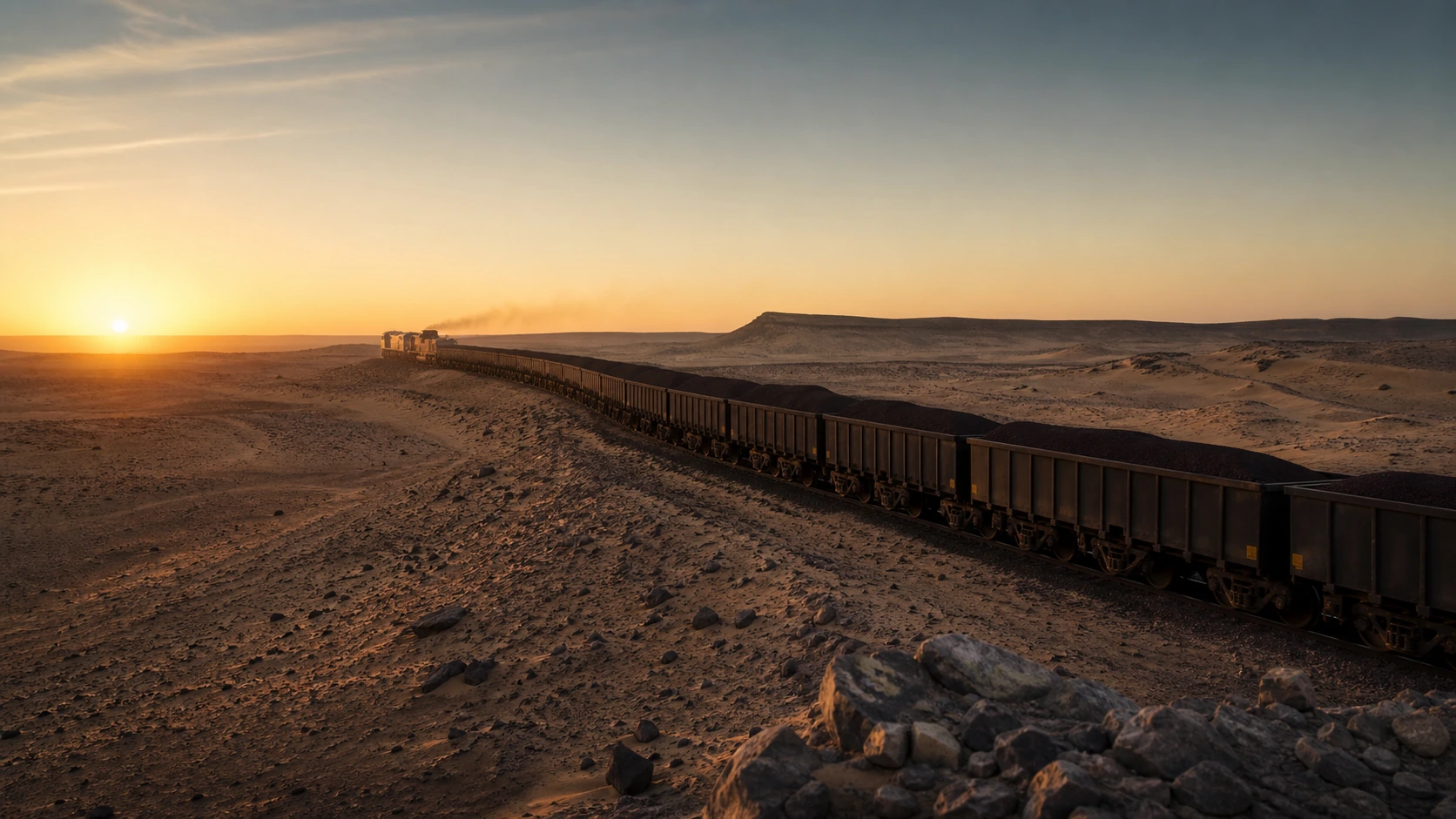
The overnight sleeper from Cairo to Luxor — 700 kilometres south through the Nile Valley in an air-conditioned cabin, dinner and a bunk, waking as the river appears in the window at dawn.

Valley of the Kings

Sixty-three rock-cut tombs in the Theban cliffs — the painted astronomical ceiling of Seti I, the cosmological programme of Ramesses VI, and Hatshepsut's terraced temple cut into the cliff at Deir el-Bahari.

A Felucca to the South

A traditional lateen-rigged felucca south from Luxor past sugar cane, water buffalo, and riverside villages unchanged for centuries — and, on the road south, the Temple of Horus at Edfu, the best-preserved temple in Egypt.

Abu Simbel

The two rock-cut temples of Ramesses II at the edge of Lake Nasser — four twenty-metre colossi, an interior aligned to the sunrises of 22 February and 22 October, relocated block by block to escape the rising dam waters.

The Expedition

Seven days from Cairo's medieval core to the temple at the end of the world.

Day 1
Cairo · Islamic Cairo · Garbage City

The morning opens in Islamic Cairo: the Khan el-Khalili bazaar, the Al-Azhar Mosque, the Mamluk corridor of the Street of the Tentmakers, and the Citadel of Saladin above the minarets. In the afternoon, Garbage City — Manshiyat Naser, where the Coptic Zabaleen sort and recycle the city's waste — and the climb to the Monastery of St Simon, the cave-church amphitheatre carved into the Mokattam cliff.

Day 2
Coptic Cairo · the Nile sleeper train

A morning in Old Cairo, the city that predates the Arab conquest: the Hanging Church over the Roman fort gate, the Ben Ezra Synagogue, and the Coptic Museum's collection of fifteen centuries of Christian Egypt. In the evening, board the overnight sleeper train for the 700-kilometre run south through the Nile Valley, dinner and a bunk, arriving in Luxor at dawn.

Day 3
Luxor · West Bank · Valley of the Kings

Luxor is ancient Thebes. We spend the day on the west bank — the land of the dead: the Valley of the Kings, with the tomb of Seti I (the longest and deepest) and the painted cosmology of Ramesses VI; Hatshepsut's mortuary temple at Deir el-Bahari; and, for those with energy, the Colossi of Memnon and the Ramesseum, whose toppled colossus inspired Shelley's Ozymandias.

Day 4
Karnak · felucca south toward Aswan

The Karnak complex is not a temple but a city of temples — the largest religious building ever constructed, its Hypostyle Hall alone holding 134 columns reaching 23 metres. The afternoon is for the Nile itself: a felucca south through the agricultural landscape, or a private vehicle along the west bank with a stop at the Temple of Horus at Edfu, arriving in Aswan by evening.

Day 5
Aswan · Nubian village · Philae · the High Dam

Aswan is where Egypt becomes Nubia: the granite breaks through the Nile in cataracts and the light changes. A morning felucca to a Nubian village on the west bank — cobalt-and-yellow painted houses and a hospitality distinct from the commercial north — then the island Temple of Philae, dedicated to Isis and reassembled on higher ground after the High Dam, and the dam itself, whose reservoir is one of the largest man-made lakes on Earth.

Day 6
Abu Simbel

The drive from Aswan to Abu Simbel covers 280 kilometres of near-empty desert road along Lake Nasser — one of the great Egyptian drives. At the shore stand the two rock-cut temples of Ramesses II: the Great Temple, whose four colossi have watched the approach to Nubia since 1265 BC, and the smaller Temple of Hathor for his queen Nefertari, with the most intimate painted reliefs of any royal monument in Egypt.

Day 7
Aswan · the Unfinished Obelisk · depart

A final morning in Aswan and the Unfinished Obelisk in the northern granite quarry — a 42-metre monolith abandoned mid-cutting when a crack appeared, lying exactly as the quarrymen left it 3,500 years ago, the tool marks still fresh. A monument to failure, and one of the most humanising objects in the country, before your onward flight from Aswan or via Cairo.

The four colossi of Ramesses II at the Great Temple of Abu Simbel, Egypt

Small Group Expedition

Every Detail Arranged.
Every Moment Yours.

What's Included

Duration7 days / 6 nights
Group SizeSmall group expedition: maximum 5 guests, intimate and unhurried
GuideExpert Egyptologist guide throughout, plus a local Coptic community guide in Garbage City
AccommodationSix nights: Cairo (x1), overnight sleeper train Cairo–Luxor, Luxor (x1), Aswan (x3)
TransportPrivate vehicle and driver throughout; overnight sleeper train; felucca crossings; Abu Simbel full-day excursion by private vehicle
MealsAll breakfasts daily; lunches on Days 1, 3, 5 and 6; welcome dinner Day 1; sleeper-train dinner included
Not IncludedInternational flights to/from Cairo or Aswan, travel insurance, additional Valley of the Kings tomb supplements, and alcohol

FREQUENTLY ASKED QUESTIONS

Common Questions About This Expedition

The Giza plateau is one of the world's great archaeological sites and most visitors to Egypt already have it on their list. This itinerary is designed for people who have either already seen the Pyramids or who want Egypt beyond its most reproduced images. We can add a Giza morning at the start of Day 1 for guests who want both — just ask when you enquire.
Yes, with the right approach. The visit is led by a guide with established community relationships in Manshiyat Naser and is conducted with full respect for residents. The community welcomes visitors to the cave church and monastery; the neighbourhood itself is passed through respectfully. It is a serious encounter with a remarkable community, not poverty tourism.
The overnight train between Cairo and Luxor operates double-berth sleeping compartments with air conditioning, linen, and an included dinner. It is not luxurious but it is comfortable, and waking as the Nile appears near Luxor is genuinely worth it. We can substitute a morning domestic flight if you prefer.
Not easily from this routing, but the Nubian monuments of northern Sudan — Meroe, Naga, Musawwarat — are the natural extension of an itinerary that ends in Aswan. Ask us about a Sudan extension when you enquire.

Expedition Investment

$3,495USD

per person, twin share

Fully inclusive of accommodation, Egyptologist guide, private transport, sleeper train, site entrances, and listed meals

International airfare and travel insurance not included. Single supplement $420 USD; small-group supplement $350 USD for groups of 2 or fewer

Reserve Your Spot
A Note on Safety

Egypt's main tourist corridor — Cairo, Luxor, Aswan, and Abu Simbel — is well established and heavily protected, and we travel it with a private Egyptologist guide and driver throughout. Garbage City is visited with a local community guide and full respect for residents. The Abu Simbel road is travelled by private vehicle during daylight hours. We monitor conditions continuously and are happy to address any specific questions directly.