Waypoint Journeys Presents

The Green Heart

Gabon & Lopé National Park

6 Days

A Night Train Into the Rainforest, and the Largest Monkey Hordes on Earth

View Expedition Details ↓ Plan This Expedition →

We reply within 24 hours

Where the Rainforest Still Runs the Country

Gabon is the Africa almost nobody has seen: a country straddling the equator that kept nearly ninety percent of its rainforest and then, in one stroke in 2002, turned a tenth of the entire nation into national parks. No fences, no queues, no convoy of minibuses at a lion sighting — just an ocean of green, the great brown muscle of the Ogooué River, and wildlife that has never learned to pose.

At its centre lies Lopé, a UNESCO World Heritage landscape where ancient savannas — relics of the last ice age — lace through the forest like golden inlets. It is the best place on the planet to find mandrills, the largest and most kaleidoscopic of all monkeys, which gather here in hordes hundreds strong; forest elephants and buffalo graze the open grass, and engravings pecked into the rocks record human passage back beyond memory.

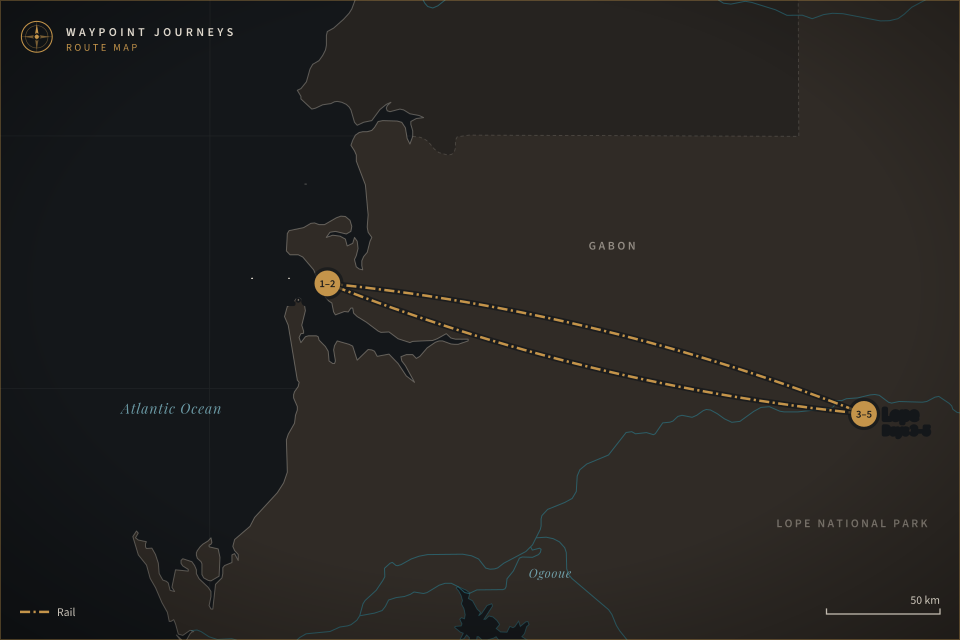
Getting there is half the story: the Trans-Gabon night express out of Owendo, first-class and air-conditioned, running 300 kilometres into the interior while the forest closes around the line. Six days, one railway, one river, and the green heart of Africa — this is the express version, engineered for maximum wildness per day.

"A country that is nine-tenths rainforest, a monkey painted like a carnival, and a railway that runs to the middle of nowhere on purpose."
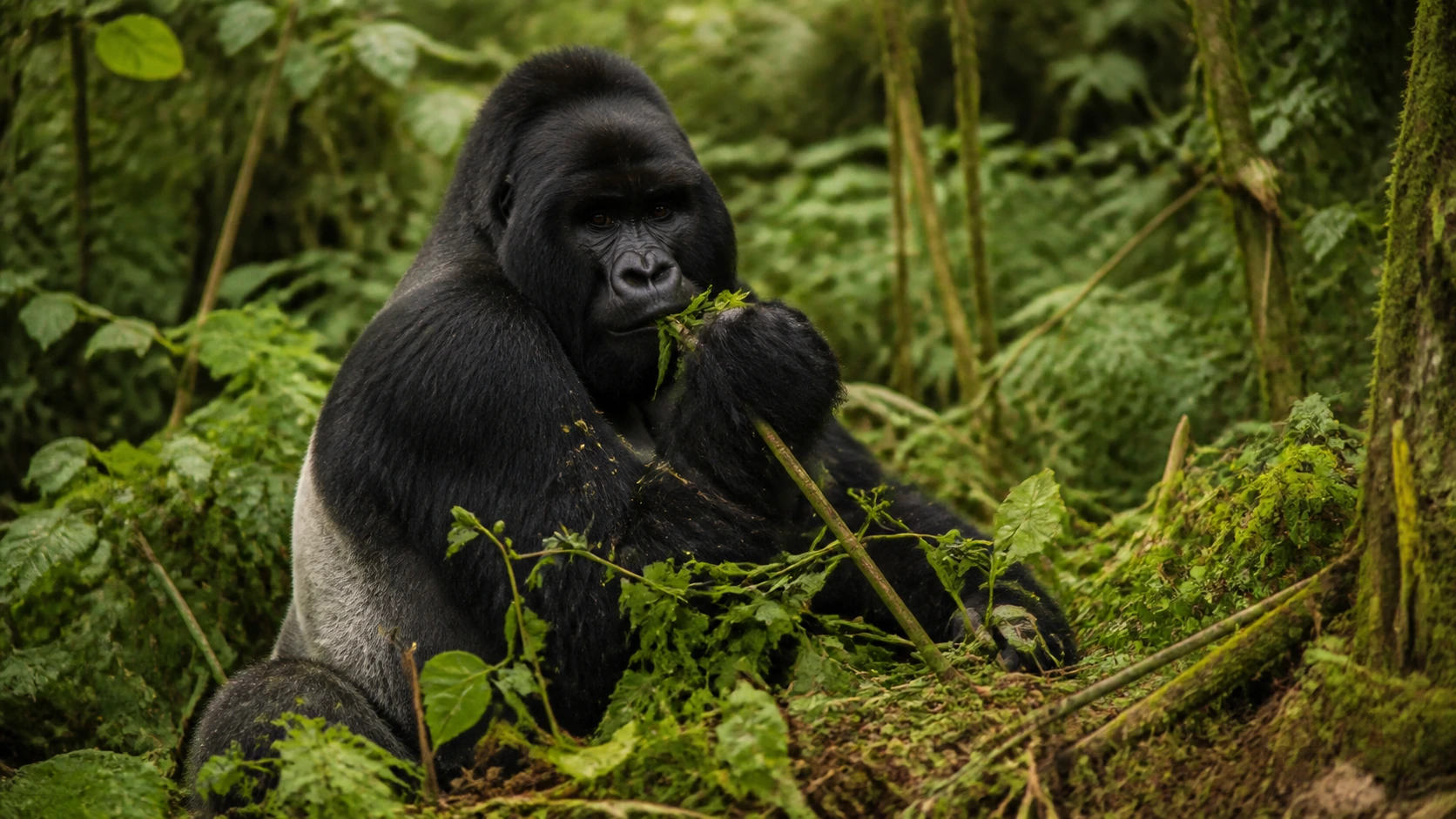
A male mandrill, the world's largest monkey, in the Gabonese rainforest
The mandrill — evolution showing off

A Night Express, Painted Monkeys, Elephants on Ice-Age Savannas, and a River Older Than the Forest

Mandrill Tracking

Lopé holds the largest mandrill gatherings ever recorded — hordes that can top eight hundred animals, crashing through the canopy like weather. You go out with trackers linked to the park's collared-troop research programme, following the world's largest monkey: scarlet nose, sapphire cheeks, a face no camera fully believes.

The Trans-Gabon Night Express

Board at Owendo as the light goes, settle into reserved first-class seats, and ride one of Africa's boldest railways 300 kilometres into the interior — forest pressing the windows, stations like lit islands in the dark. You step off at Lopé in the small hours with the Milky Way overhead. Transport, theatre and rite of passage in one ticket.

Forest Elephants on the Savanna

Lopé's golden grasslands are leftovers from the ice age, kept open for millennia — and forest elephants, smaller and straighter-tusked than their cousins, walk out of the treeline to graze them in the open. Morning and evening 4x4 drives work the savanna edges for elephant, buffalo, hogs and the park's enormous birdlife.

The Ogooué by Pirogue

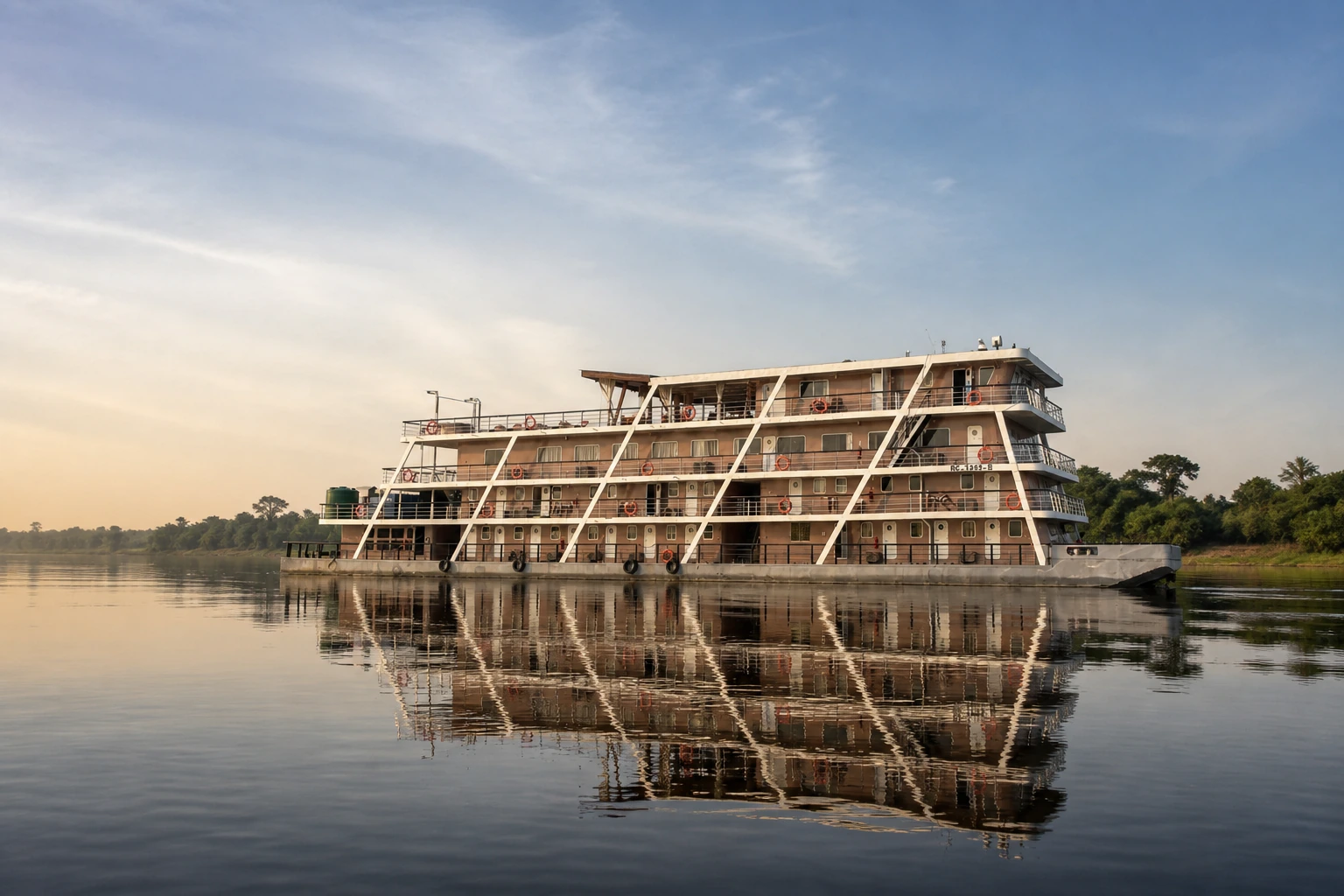
Gabon's mother river drains nearly the whole country, and at Lopé it runs wide, brown and braided past the park's northern edge. By motorised pirogue you ride the current between forest walls — kingfishers strafing the shallows, monkeys in the gallery trees, and rapids upstream that stopped nineteenth-century explorers cold.

Engravings Older Than Memory

Lopé is a rare double UNESCO listing — nature and culture together. Along the river, hundreds of circles and spirals pecked into hard stone record human passage through this valley across thousands of years, and archaeology in these hills reaches back 400,000. You walk a landscape people have been walking since before the pyramids were an idea.

The Empty Eden

Gabon set aside thirteen national parks in a single act and kept its forest almost whole — yet it sees fewer tourists in a year than the Serengeti sees in a weekend. This is safari as it was a century ago: no crowds, no scripts, a landscape that does not know it is being visited, and stories none of your friends will already have.

The Expedition

Six days engineered for maximum wildness — Libreville, the night express into the interior, three full safari days in Lopé, and the train home.

Day 1
Libreville · arrival on the equator
Day 1

Fly into Libreville, the low-slung capital strung along a palm-lined Atlantic seafront. Your expedition leader meets you at Léon-Mba airport for the transfer to a comfortable boutique hotel. Depending on arrival time, ease in gently: the corniche at golden hour, grilled fish and Régab at a beachside paillote, and the welcome briefing — train tickets, park protocols, and what a horde of eight hundred mandrills actually sounds like. Early night; the equator wakes at six.

Day 2
Libreville → the Trans-Gabon night express
Day 2

A morning with the capital: the carved wooden interior of St Michael's church, the National Museum's masks — this is the country whose art startled Picasso — and the roaring theatre of Mont-Bouët market. Late afternoon, we drive to Owendo station and board the Trans-Gabon express in reserved first class. The city lights fall away and the forest takes over; somewhere in the small hours the train sighs into Lopé station, and a 4x4 carries you the last dark kilometres to the lodge. Sleep comes easily.

Day 3
Lopé · savanna safari & the saline forests
Day 3

Wake to golden grass and green walls in every direction. The morning 4x4 drive works the savanna–forest edge, where forest elephants graze in the open and buffalo stand hock-deep in the mist; the afternoon goes on foot into the gallery forest to a saline — a mineral clearing where the animals come to the earth itself — with monkeys, hornbills and turacos overhead. After dark, an optional night drive sweeps the grass for red river hogs, genets and civets. Dinner under more stars than seems administratively possible.

Day 4
Lopé · mandrill tracking & the Ogooué by pirogue
Day 4

The headline act. At first light you go out with trackers tied into the park's collared-mandrill research programme, listening for the crash and two-tone grunting of a horde on the move — then, with luck and fieldcraft, the forest fills with them: hundreds of the world's largest monkeys, the males' faces burning scarlet and blue in the gloom. The afternoon changes element — a motorised pirogue out on the Ogooué, riding brown water between forest walls while kingfishers strafe the shallows. Sundowners on the bank.

Day 5
Lopé · Mount Brazza & the night train home
Day 5

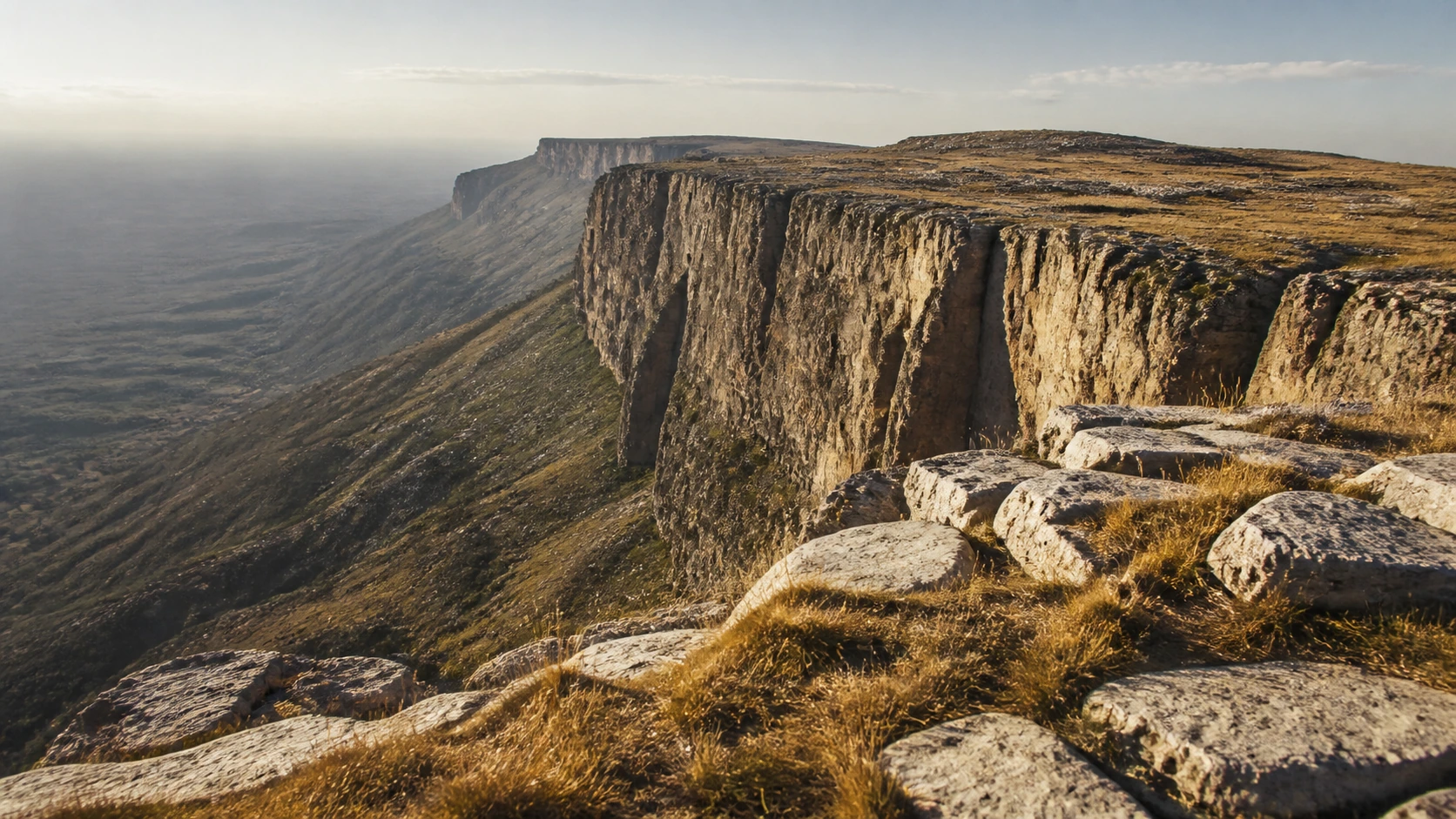
A dawn walk climbs the flanks of Mount Brazza for the view that explains everything: savanna fingers reaching into an ocean of forest, the Ogooué coiling silver through the middle, weather building over hills with 400,000 years of human story in them. On the way down, the rock engravings — circles and spirals pecked into stone by hands nobody can name. A slow lodge afternoon, a farewell dinner, then the 4x4 back to the station for the night express; you sleep rolling home through the dark.

Day 6
Libreville · arrival & departure
Day 6

The train slides into Owendo with the morning, and a day room at our Libreville hotel is waiting — shower, proper coffee, breakfast with the Atlantic back in view. The rest of the day flexes around your flight: a last swim, souvenir masks, or nothing more strenuous than a seafront table. Airport transfer and departure — five days after arriving, carrying the green heart of Africa and a story about eight hundred mandrills that nobody at home will quite believe.

A forest elephant seen from above in the Gabonese rainforest

Small Group Expedition

One Railway. One River.
The Green Heart of Africa.

What's Included

Duration6 days / 5 nights, round trip from Libreville — the express format: maximum park time, no wasted days
Group SizeSmall group expedition: maximum 5 guests plus expedition leader
AccommodationOne night in a boutique Libreville hotel, three nights at a safari lodge on the park edge (private en-suite rooms or safari tents), one night aboard the first-class night express, plus a Libreville day room on departure morning
Included ExperiencesLibreville city tour with the National Museum and Mont-Bouët market (Day 2); savanna 4x4 safaris and guided saline forest walk (Day 3); mandrill tracking with park-programme trackers and the Ogooué pirogue excursion (Day 4); Mount Brazza walk and the rock engravings (Day 5); all park entrance and guiding fees
TransportAll airport and station transfers, reserved first-class seats on the Trans-Gabon express both ways, and dedicated 4x4s with drivers inside the park
GuideEnglish-speaking expedition leader throughout, with licensed park ecoguides and mandrill trackers in Lopé
MealsDaily breakfast, all meals at the lodge in Lopé, and the Day 5 farewell dinner; meals in Libreville and on the train are free choices — the seafront grills are excellent
Not IncludedInternational flights, Gabon e-visa, travel insurance, yellow fever vaccination (required), meals in Libreville and aboard the train, optional night drives, drinks and tips

FREQUENTLY ASKED QUESTIONS

Common Questions About This Expedition

Lopé is home to the largest mandrill gatherings on Earth — hordes several hundred strong — plus forest elephants, forest buffalo, red river hogs, sun-tailed guenons found nowhere else, and over 400 bird species; gorillas and chimpanzees live here too, though sightings are a gift rather than a schedule. This is true rainforest safari: animals are earned, not queued. The savanna drives stack the odds — elephants and buffalo graze in the open — and our trackers work with the park's collared-mandrill programme.
The Trans-Gabon railway is one of Africa's great engineering stories — 669 kilometres of track pushed through unbroken rainforest in the 1970s and 80s. You board the express at Owendo in the evening in reserved first-class, air-conditioned seats, roll out past the city lights and into the forest dark, and step off at Lopé station in the small hours, where our 4x4 waits for the short transfer to camp. It is half transport, half rite of passage — and the return run gets you back to Libreville by mid-morning.
Lopé works year-round — the equator keeps temperatures steady — but the long dry season, June to September, is the classic window: firmer trails, clearer skies and animals concentrating around water. The rains (October to May, with a drier pause around January) bring lusher forest, dramatic skies and fewer visitors; wildlife never leaves. Whenever you come, expect equatorial humidity, quick showers, and mornings that start early because that is when the forest is loudest.
Five nights, three flavours: a comfortable boutique hotel in Libreville on arrival; three nights at a safari lodge on the edge of the park — private en-suite rooms or elegant safari tents, generator-lit, with dining under the stars and the occasional elephant beyond the fence line; and the final night rolling home aboard the first-class night express. A Libreville day room on the last morning is included, so you fly out showered rather than seasoned.

Expedition Investment

$4,950USD

per person

Fully inclusive of all five nights' accommodation and the departure-day day room, reserved first-class seats on the Trans-Gabon express both ways, all airport and station transfers, dedicated 4x4s in the park, mandrill tracking with park-programme trackers, savanna safaris, the saline forest walk, the Ogooué pirogue excursion, Mount Brazza and the rock engravings, all park and guiding fees, daily breakfast, full board at the lodge, and your expedition leader throughout

Excludes international flights, Gabon e-visa, travel insurance, yellow fever vaccination (required), meals in Libreville and aboard the train, optional night drives, drinks and tips

Reserve Your Spot
A Note on Safety & Logistics

Gabon is one of Central Africa's most stable countries, and Lopé is a well-run flagship park — the practical considerations are tropical, not political. Yellow fever vaccination is mandatory for entry, and malaria prophylaxis is strongly advised; bring long sleeves for forest evenings. The equatorial climate is humid and showers arrive on their own schedule, so quick-dry clothing and a light rain shell are standard kit. Train timetables in Gabon are aspirational documents — departures shift, which is why our itinerary carries slack where it matters and our team confirms every ticket in person. Wildlife viewing follows park protocols and your trackers' word is final around elephants. Bring binoculars; leave anything that can't handle humidity.