Waypoint Journeys Presents
Iguazú
The Great Water
4 Days
Both Sides of the Greatest Waterfall System on Earth — Privately Guided
View Expedition Details ↓ Plan This Expedition →We reply within 24 hours
Poor Niagara — the Falls That Humble All the Others
The Guaraní named it before anyone else could: y guasu, "the great water." Where the Iguazú River reaches the edge of an ancient basalt plateau on the Brazil–Argentina border, it does not fall so much as shatter — up to 275 separate cascades across a front of nearly three kilometres, wrapped in subtropical rainforest and permanently crowned in rainbow. Eleanor Roosevelt is said to have taken one look and murmured, "Poor Niagara."
The falls hold two names and two passports because they deserve two entirely different days. From Brazil, Iguazú is a panorama — the single greatest scenic walk in South America, facing the full curtain across the gorge. From Argentina, it is an immersion: a little train through the jungle, catwalks over the braided river, and the terrible, magnificent lip of the Garganta del Diablo — the Devil's Throat — where half the river folds into a cauldron of mist and swifts dart through the falling water to their nests behind it.
This is a four-day private expedition, timed like a piece of music: the Brazilian gallery and the great aviary of Parque das Aves on one day, the Argentine circuits and the Devil's Throat on the next, with a private guide who knows the hours when the light is gold and the tour buses are elsewhere. The base is comfortable, the borders are handled, and the optional boat run under the cascades is exactly as wet as you hope.
"Two hundred and seventy-five waterfalls, two countries, one gorge — and a river that takes three kilometres to finish falling."

One Gorge, Two Countries, and the Most Waterfall Anywhere on Earth
Brazil holds the view: a single elevated trail along the gorge wall that faces the entire front of the falls at once — nearly three kilometres of white water framed in forest, ending on a walkway that juts into the spray beneath the Devil's Throat. It is the most complete view of falling water available anywhere on the planet.
On the Argentine side, a rainforest train and a kilometre of catwalk across the braided river deliver you to the rim of the Garganta del Diablo — a U-shaped cataract eighty metres high where half the river disappears into permanent mist. Great dusky swifts nest behind the curtain and fly through the falling water to reach home. You will hear it before you see it, and feel it before you hear it.
Beside the Brazilian park, the largest bird park in Latin America rehabilitates and rewilds the Atlantic Forest's aviary — walk-through habitats where toucans land an arm's length away, scarlet ibis blaze through the canopy, and harpy eagles regard you with the confidence of apex royalty. Half the birds here were rescued; the institution is as good as the photographs.
The optional macuco boat safari runs the rapids of the lower gorge and then — deliberately, gleefully — noses under the smaller cascades until everyone aboard has been personally introduced to the river. It is the best drenching in South America, it is bookable on the day, and the photographs of your face are worth the dry bag.
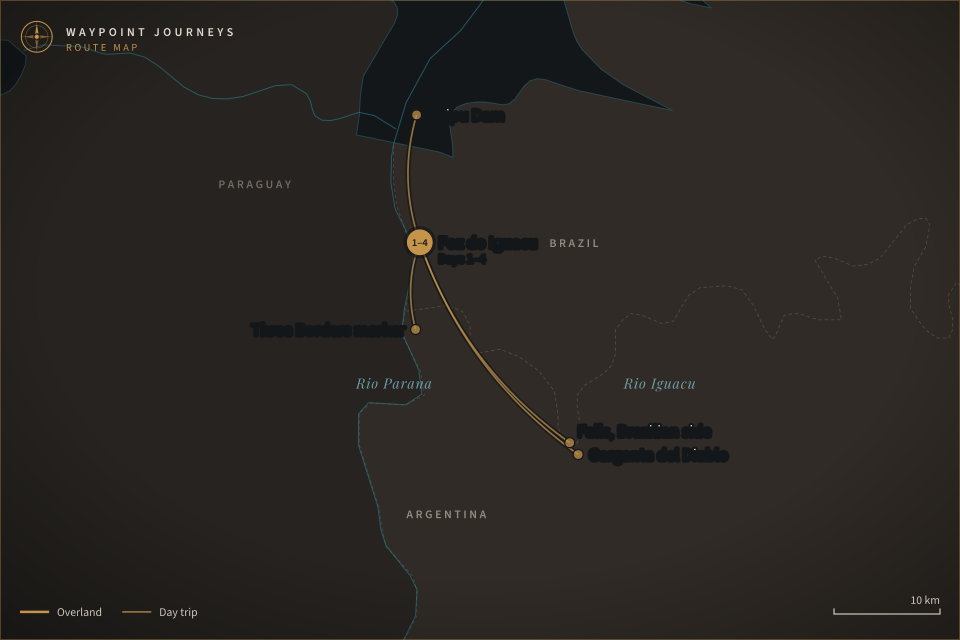
Where the Iguazú meets the Paraná, three countries face each other across the water — Brazil, Argentina and Paraguay, each with its obelisk on the point. Sunset here, with river traffic sliding between three flags and three time zones of evening starting at once, is the quiet counterpoint to the falls' roar.
Both parks protect a rare surviving block of the Atlantic Forest — home to coatis patrolling the trails with criminal intent, capuchin monkeys, toco toucans overhead, plush-crested jays, two-metre tegu lizards, and (seen by almost no one, present all the same) the jaguar. The falls are the headline; the forest is the encore that follows you the whole way.
The Expedition
Four days, two countries, one gorge — the Brazilian gallery, the Argentine immersion, and a private guide who knows the golden hours on both sides of the river.
Fly into Foz do Iguaçu (or Puerto Iguazú — we work with either), where your private guide meets you for the short transfer to a comfortable hotel near the river. The afternoon is a gentle overture: orientation over coffee, the story of the falls and the three borders, and — if the timing is kind — golden hour at the Marco das Três Fronteiras, where Brazil, Argentina and Paraguay face each other across the meeting of two rivers. Early night; the great water is louder tomorrow.
Into Iguaçu National Park at opening time, ahead of the crowds. The Brazilian trail runs the gorge wall face-on to the falls — every step recomposing three kilometres of cascades into a new impossible picture — and ends on the walkway that reaches into the spray below the Devil's Throat, where the roar arrives through your ribs. The panoramic elevator tops out beside the full curtain for the classic final frame. After lunch, Parque das Aves next door: toucans at arm's length, scarlet ibis in clouds, and the Atlantic Forest's rescue stories told walk-through aviary by aviary. Coatis will attempt to join you throughout; your guide has opinions about coatis.
Across the border early — your guide handles the formalities — and into Iguazú National Park, Argentina, where two-thirds of the cascades live. The Upper Circuit walks the lips of the falls, water sliding away underfoot; the Lower Circuit descends into the green world beneath them, rainbows stacked in the mist. Then the little Rainforest Ecological Train and the long catwalk over the braided river to the rim of the Garganta del Diablo itself — eighty metres of folding water, swifts flickering through the curtain, and the spray climbing so high it reads as weather. The optional macuco boat safari runs from this side for those who want the falls applied directly. Back across the river for a farewell parrilla dinner.
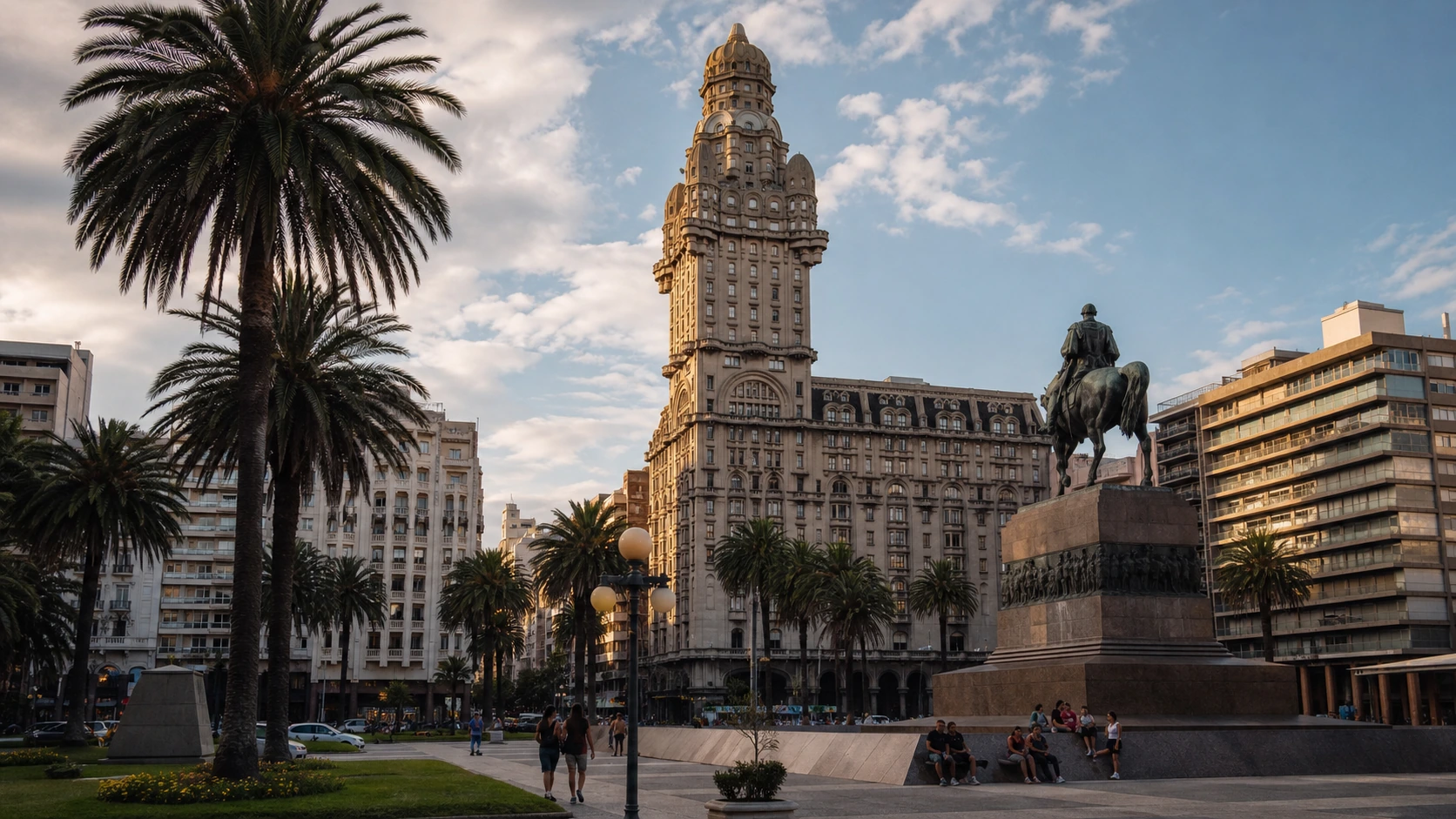
The last morning flexes to your flight and your curiosity: the Itaipu Dam — for decades the largest power plant on Earth, and still the most staggering wall humans have built across a river — or a return to whichever side of the falls claimed you, for one more hour with the water. Then the airport, ten minutes away, with onward connections across Brazil and Argentina. Iguazú pairs naturally with Buenos Aires, Rio, or our Uruguay expedition just down the river system — we are glad to build the bridge.
What's Included
FREQUENTLY ASKED QUESTIONS
Common Questions About This Expedition
Expedition Investment
per person, twin share
Fully inclusive of three nights' accommodation, private guide and vehicle for all four days, both national-park entrances, Parque das Aves, the falls train, both border crossings, the Three Borders landmark, daily breakfast, the farewell dinner, and all airport transfers
Excludes flights, travel insurance, the optional macuco boat safari, park-day lunches, alcohol, and tips. Single supplement $290 USD. Pairs naturally with Buenos Aires, Rio, or our Uruguay expedition
Reserve Your SpotIguazú is mainstream-easy by our standards: two well-run national parks, good hotels, a modern airport minutes from the falls, and a border crossing that thousands make daily. The practical notes are small but worth having. The spray zones are genuinely wet and the catwalks can be slick — rubber-soled shoes earn their place. The coatis are charming professional thieves: bags zipped, food hidden, no exceptions, because a fed coati is a bold coati. Summer heat is real (hydrate; the parks sell water everywhere), and the boat safari has age and mobility guidelines we brief honestly. Your guide manages tickets, timing and the border both ways — your only job is to keep looking up.