Waypoint Journeys Presents

Djibouti

The Rift on Fire

4 Days

Whale Sharks, the Saltiest Shore in Africa & a Night Among the Chimneys of Lake Abbe

View Expedition Details ↓ Plan This Expedition →

We reply within 24 hours

Where the Continent Is Coming Apart at the Seams

Djibouti sits on the Afar Triple Junction, one of the only places on Earth where three tectonic plates pull away from one another on dry land. The result is a country that looks borrowed from somewhere younger and stranger than this planet: salt lakes below sea level, black lava fields running to turquoise water, steam hissing from limestone towers, and a rift valley that is — measurably, every year — becoming a new ocean.

The sea here is as strange and generous as the land. Every winter, plankton blooms in the Gulf of Tadjoura pull juvenile whale sharks close against the shore — one of the most reliable places anywhere to swim beside the largest fish in the sea, without the flotillas that crowd better-known sites. An hour inland, Lake Assal lies 155 metres below sea level, the lowest point in Africa, ten times saltier than the ocean and rimmed with a blinding white salt beach where floating is not a choice.

This expedition compresses the essential Djibouti into four days: the whale-shark waters of the gulf, the salt and lava country of Assal and the Devil's Cauldron, and — the crescendo — a night in a traditional Afar camp at Lake Abbe, where hundreds of limestone chimneys smoke against the sunrise and flamingos wade the shallows of a lake at the end of the world. Comfortable harbour-front nights bracket one wild one; the contrast is the point.

"Three plates, one country. Djibouti is the sound of a continent letting go — and the strangest, most beautiful tear on Earth."
A whale shark cruising near the surface
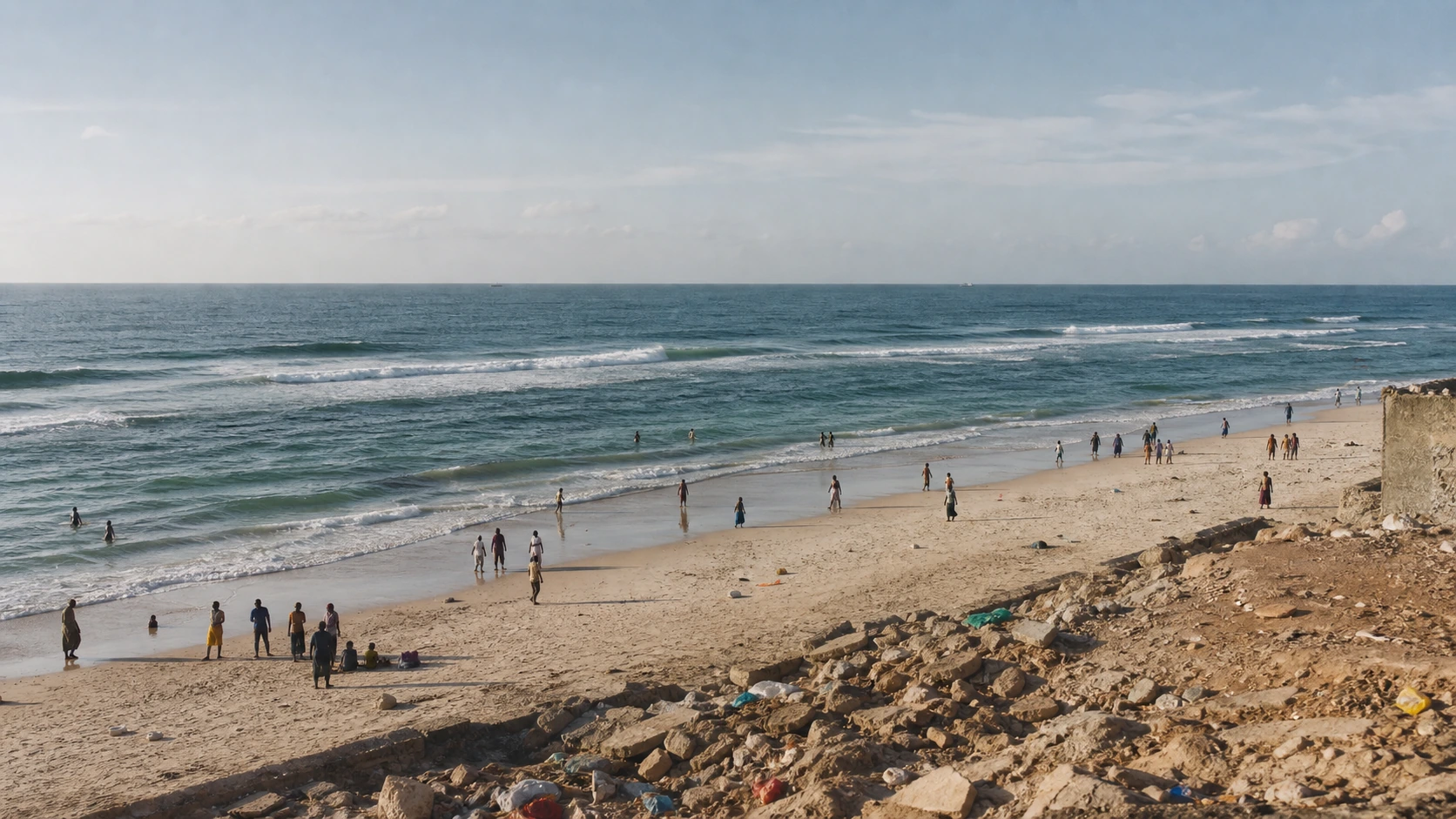
The Gulf of Tadjoura — winter home of the sea's largest fish

The Largest Fish in the Sea, the Lowest Point in Africa, and a Lake From Another Planet

Whale Sharks of Tadjoura

From roughly late October to February, juvenile whale sharks — six to eight metres of spotted, plankton-sipping calm — feed within minutes of the shore in the Gulf of Tadjoura. You slip in beside them with mask and snorkel, no cage and no crowd: this remains one of the least-visited reliable whale-shark waters on Earth.

Lake Assal

The lowest point on the African continent — 155 metres below the sea — holds a lake ten times saltier than the ocean, ringed by a beach of pure white salt against black lava hills. You float without trying, crusted in crystals, on water the colour of turquoise glass; Afar caravans still cut salt slabs here as they have for a thousand years.

The Chimneys of Lake Abbe

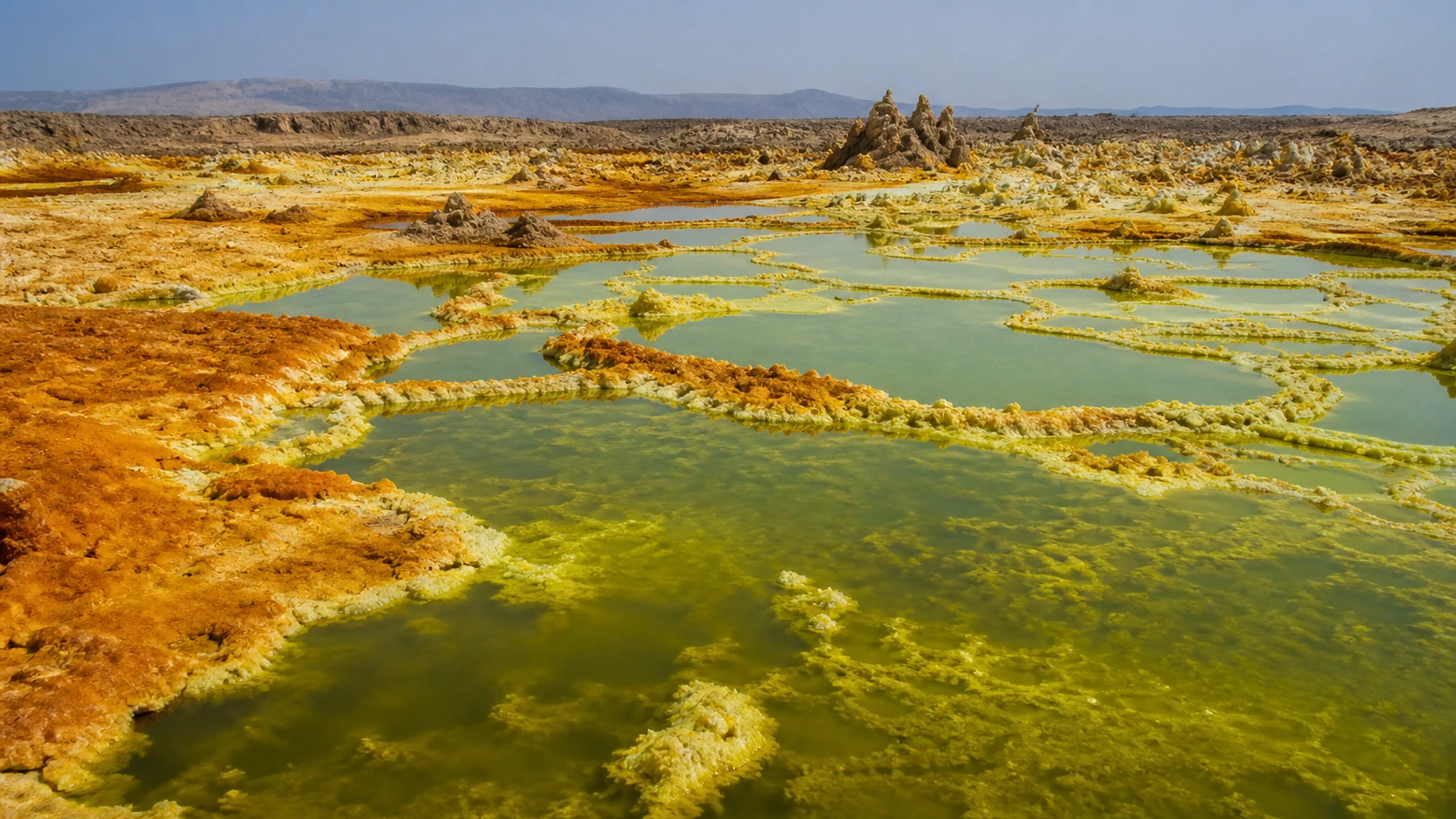
On the Ethiopian border, hundreds of limestone towers — some fifty metres tall — steam and hiss across a plain that stood in for an alien world in the movies for good reason. At dawn, with the vents smoking, flamingos on the lake and Afar herders moving goats between the spires, Lake Abbe is the most otherworldly sunrise in Africa.

The Devil's Cauldron

Where the Gulf of Tadjoura narrows into the Ghoubbet al-Kharab — the "Devil's Cauldron" — black volcanic walls close around a bay the Afar once refused to sail at night. Just beyond it, the Ardoukoba fissure erupted as recently as 1978: you drive across sea floor that is younger than the road that crosses it.

A Night in Afar Country

The Lake Abbe night is spent in a traditional Afar-style camp — simple huts, dinner over the fire, and a desert sky undimmed by a single electric light for a hundred kilometres. It is the expedition's one basic night and its most remembered: the chimneys smoke in the dark, and the Milky Way runs rim to rim.

The Crossroads Republic

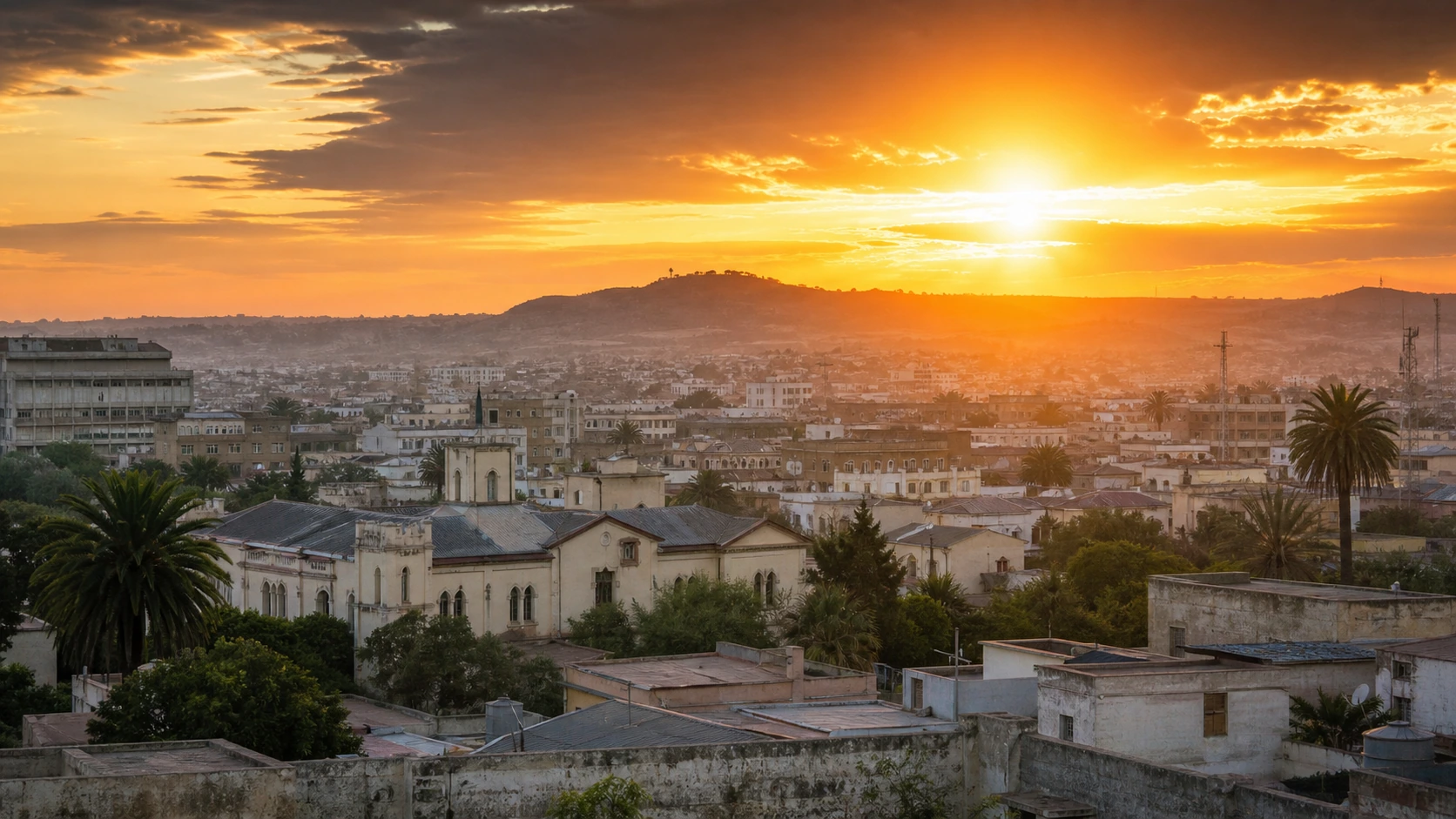
Between the Red Sea and the Indian Ocean, Djibouti City is the Horn of Africa's safe harbour — French bread and Yemeni fish grills, Somali, Afar and Arab markets, and a port that half the world's navies call home. Small, stable and stranger than its size: the easiest base camp on the Horn.

The Expedition

Four days across the Afar Triple Junction — the whale-shark gulf, the salt lake at Africa's lowest point, and a night among the steaming chimneys of Lake Abbe.

Day 1
Djibouti City · arrival on the Horn
Day 1

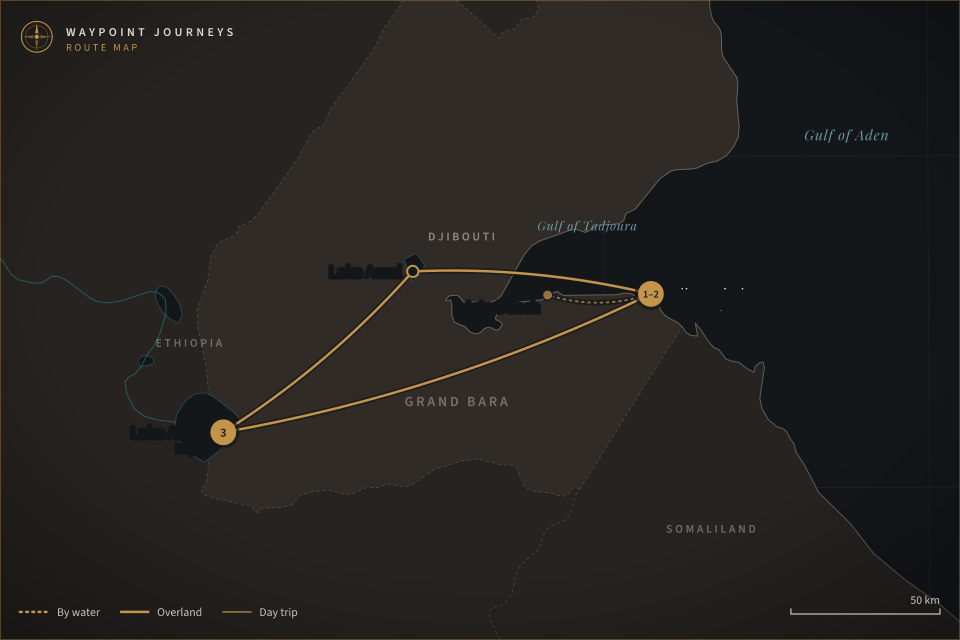
Fly into Djibouti City and check into a comfortable harbour-front hotel — air-conditioning, pool, and the Gulf of Tadjoura out the window. The afternoon takes the measure of the capital: the whitewashed arcades and mosques of the European Quarter, the din and colour of the central market where Somali, Afar, Arab and French threads knot together, and khat-hour people-watching from a café terrace. Dinner is Yemeni-style fish, split and grilled in a clay oven, eaten with the hands and without regret.

Day 2
The whale sharks of the Gulf of Tadjoura
Day 2

A boat day on one of the world's least-crowded whale-shark waters. In season (roughly late October to February), plankton blooms hold juvenile whale sharks — six, seven, eight metres of unbothered grace — just off the gulf's shores. The crew reads the water, the spotter calls, and you slide in with mask and fins to swim beside the largest fish in the sea, often for minutes at a stretch. Between encounters: coral-reef snorkelling, a grilled-fish lunch aboard or on a quiet beach, and the black lava coastline sliding past. Outside whale-shark season the day becomes a full gulf snorkel-and-beach circuit — still one of the finest sea days in the Horn. Back to the hotel by evening.

Day 3
Lake Assal & the Devil's Cauldron → Lake Abbe
Day 3

West by 4x4 into the rift. The road skirts the Ghoubbet al-Kharab — the Devil's Cauldron, where the sea funnels between black volcanic walls — and crosses the young lava of the Ardoukoba fissure before dropping to Lake Assal: 155 metres below sea level, the lowest point in Africa, a turquoise lake rimmed in banks of blinding white salt. Float in water ten times saltier than the ocean (the not-trying is mandatory), walk the crystal beach, and meet the salt caravans if the timing is kind. Then south and west across the Grand Bara desert plain and onto the volcanic piste, arriving at Lake Abbe as the light goes gold and the limestone chimneys begin to throw their long shadows. Dinner over the fire at a traditional Afar-style camp; the generator goes off, and the stars come on.

Day 4
Dawn among the chimneys · return & departure
Day 4

Up before the sun for the reason the whole expedition bends toward this morning: hundreds of limestone towers steaming against the dawn, flamingos wading the mineral shallows, Afar herders moving their goats between spires fifty metres tall. It is the closest thing to standing on another planet that a passport can buy. After breakfast in camp, the long scenic run back — the Grand Bara, a mirage or two, lunch en route — reaching Djibouti City in the afternoon with time to rinse off the salt before evening flights. Day rooms arranged for late departures; Ethiopia, Somaliland and our full Somalia & Djibouti expedition all connect naturally from here.

The white salt shore and turquoise water of Lake Assal, Djibouti

Small Group Expedition

Below the Sea. Beside the Fire.
Beneath a Sky With No Rivals.

What's Included

Duration4 days / 3 nights — two nights Djibouti City, one night Lake Abbe
Group SizeSmall group expedition: maximum 5 guests
AccommodationTwo nights in a comfortable air-conditioned harbour-front hotel in Djibouti City; one night in a traditional Afar-style camp at Lake Abbe (simple huts, proper bedding, shared facilities — and the chimneys at dawn)
Included ExperiencesFull-day whale-shark boat excursion with snorkelling gear and onboard lunch (Day 2, in season; gulf snorkel circuit otherwise); Lake Assal and the Ghoubbet al-Kharab (Day 3); sunset and sunrise among the Lake Abbe chimneys with Afar guides (Days 3–4); Djibouti City orientation walk
TransportWell-equipped 4x4s with experienced desert drivers for the full inland circuit; licensed boat and crew for the gulf day; all airport transfers
GuideEnglish-speaking expedition leader throughout, with local Afar guides at Lake Abbe
MealsDaily breakfast, the boat-day lunch, and all meals at the Lake Abbe camp; city dinners free for the fish grills and French tables of the capital
SeasonWhale sharks roughly late October–February; lakes spectacular year-round (we avoid July–August heat)
Not IncludedInternational flights, Djibouti visa (eVisa, straightforward — we send guidance), travel insurance, city dinners, alcoholic beverages, tips, personal expenses

FREQUENTLY ASKED QUESTIONS

Common Questions About This Expedition

The juvenile whale sharks gather in the Gulf of Tadjoura roughly from late October to February, when plankton blooms concentrate close to shore — one of the most reliable and least crowded whale-shark seasons anywhere. We run the boat day in that window whenever possible. Outside the season, Day 2 becomes an equally beautiful snorkel and beach day along the gulf's coral reefs, or an excursion to the Day Forest for a completely different Djibouti. The lakes are spectacular in every month, though we avoid the extreme heat of July–August.
Two worlds, deliberately. In Djibouti City you have two nights in a comfortable, air-conditioned harbour-front hotel of international standard — pool, seafood restaurants, reliable Wi-Fi. At Lake Abbe you have one night in a traditional Afar-style camp: simple huts or tents with proper bedding, shared facilities, dinner cooked over fire, and a sky with no competition for a hundred kilometres. The camp is basic by hotel standards and unforgettable by every other one; it is the only way to have the chimneys at dawn.
Djibouti is one of the calmest corners of the Horn of Africa — a small, stable republic whose economy runs on ports and international military bases, with a heavy security presence and very low crime against visitors. The real risks here are environmental: serious heat, fierce sun, sharp volcanic rock and remote roads. We run the desert legs with experienced local drivers in well-equipped 4x4s, carry ample water and satellite communication, and time the itinerary around the temperatures. Respect the sun and the salt, and Djibouti is a remarkably easy adventure.
Honest but manageable. The road west runs paved past the Grand Bara desert, then turns to graded track and volcanic piste for the last hours to Lake Abbe — corrugated, dusty and spectacular. Walks at the lakes are short and flat; the swimming is optional; the camp night is warm and simple. Anyone comfortable with a bumpy 4x4 ride and one night away from plumbing will find the trip well within reach — and the payoff-to-effort ratio among the best we offer.

Expedition Investment

$2,595USD

per person, twin share

Fully inclusive of three nights' accommodation (harbour-front hotel and the Lake Abbe Afar camp), the full-day whale-shark boat excursion with gear and lunch, the complete Lake Assal and Lake Abbe 4x4 circuit with experienced desert drivers, expedition leader and local Afar guides, all camp meals and daily breakfast, and all airport transfers

Excludes international flights, the Djibouti eVisa, travel insurance, city dinners, alcohol, and tips. Single supplement $340 USD. Whale-shark season roughly late October–February — we schedule around it

Reserve Your Spot
A Note on Safety & Logistics

Djibouti is small, stable and heavily secured — the Horn of Africa's safe harbour, with very low crime against visitors. What we manage carefully here is the environment. The desert legs run on rough volcanic piste far from services, so we drive well-equipped 4x4s with experienced local drivers, travel with satellite communication, and carry more water than seems reasonable. The sun and heat are serious in every season (and prohibitive in high summer, which we avoid); the salt at Assal will find every cut you forgot you had. On the water, whale-shark encounters follow strict no-touch, keep-distance rules — for the animals' sake and the experience's. Bring high-SPF sunscreen, reef shoes, and a healthy respect for the strangest landscape you will ever love.