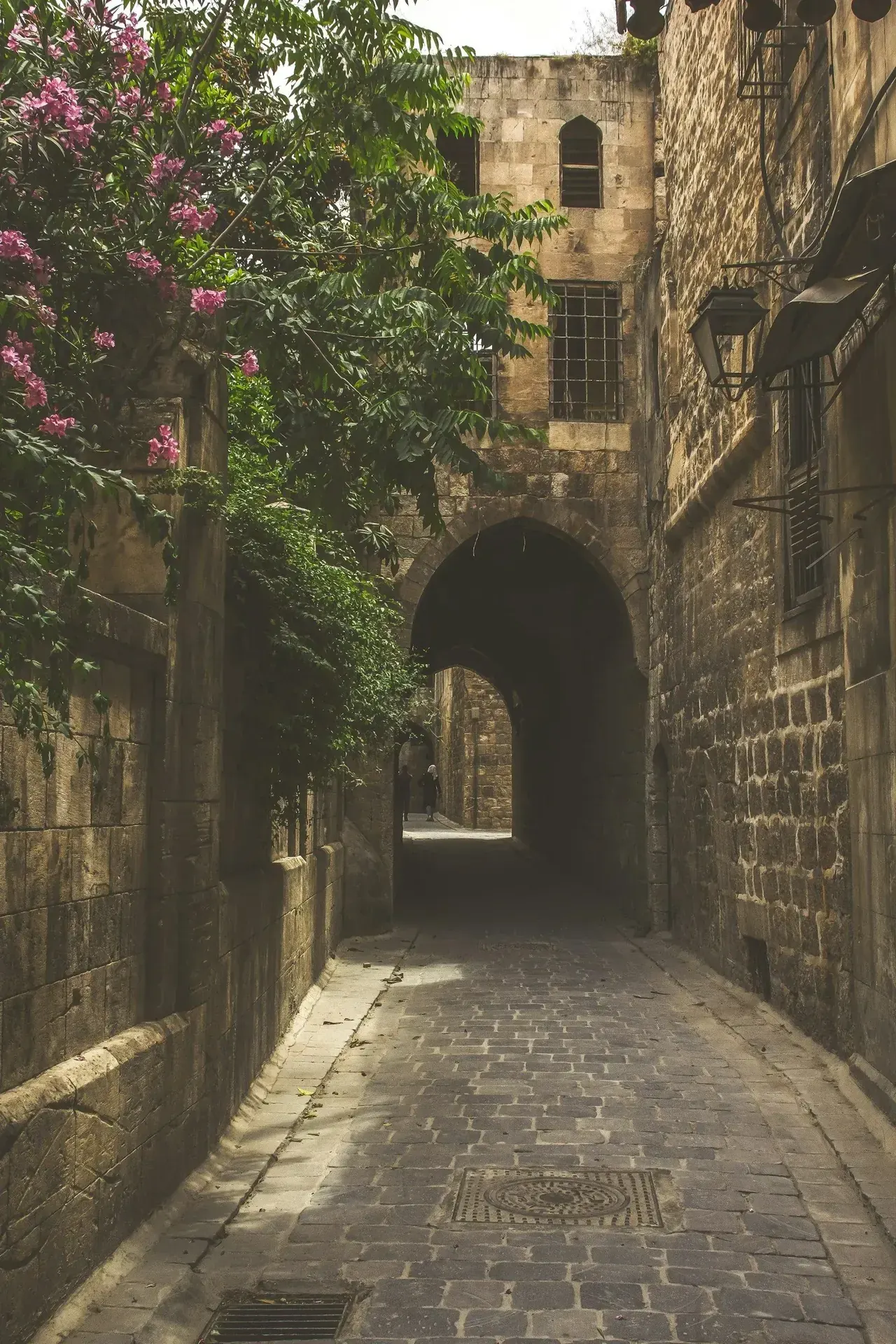
The Oldest Cities on Earth, Open Again
Damascus makes a claim few cities can: people have lived here, without interruption, longer than almost anywhere on Earth. Aleppo makes the same claim. Between the two lie Roman theatres, Crusader castles, desert colonnades, and a mountain village where prayers are still said in Aramaic, the language Christ spoke.
For more than a decade, almost nobody could go. The civil war closed Syria to organised travel and filled the news with images that are still the only Syria most people know. Since the fall of the Assad government in late 2024, that has begun to change: a small, steady stream of foreign travelers is moving through the western corridor again, and the country they find does not match the picture in their heads.
This guide is honest about both halves of that sentence. Syria holds some of the most extraordinary places a traveler can stand, and it is a country still emerging from catastrophe, where most Western governments continue to advise against travel. Both things are true at once. Here is what the trip actually looks like.
Why Go
Syria has six UNESCO World Heritage Sites, and a single ten-day overland loop takes in most of them: the Old City of Damascus, the Old City of Aleppo, Bosra's Roman theatre, Palmyra, and Krak des Chevaliers. Most countries would build an entire national tourism industry on any one of these. In Syria, you will often have them nearly to yourself.
And there is the human side. Syrians are famously hospitable, and after everything, the welcome extended to the few travelers now arriving is disarming. People want to talk, to pour coffee, to show you that their city is more than what you saw on the news. Travel here, done respectfully, is a small vote for that version of the country.
What to See in Syria
Old Damascus
Begin on the Street Called Straight, where St. Paul's story turned, and let the old city absorb you: the Umayyad Mosque with its 7th-century mosaics and courtyard of polished marble, the painted rooms of Azem Palace, the din and lantern light of the Hamidiah souk, tea in the courtyard of a caravanserai.
Climb Mount Qasioun late in the day for the whole city at golden hour, then finish in a hammam in the old quarter. Two days is the minimum here. Most people want a third.
Damascus is also the best eating city on the route. The old city's street food, sweet and savory both, rewards a guided evening crawl, and the National Museum gives the whole country's story a spine before you head north.
Aleppo: The Souk and the Citadel
Aleppo took some of the war's worst wounds and does not hide them. But the citadel still commands the city from its stone glacis, the covered souk, the largest on Earth, is trading again lane by lane, and the 18th-century soap factories still stack Aleppo soap to cure by a recipe centuries older than the buildings.
On Sunday mornings, prayers at the Forty Martyrs Church in the Armenian quarter are still sung in Armenian. Aleppo is the emotional heavyweight of any Syria itinerary: grief and recovery held in the same field of view.
Krak des Chevaliers
T. E. Lawrence called Krak des Chevaliers the finest castle in the world, and standing on its concentric walls above the Homs Gap it is hard to argue. Built by the Hospitaller knights in the 12th century, it came through the recent war scarred but standing, and it remains the most complete Crusader castle anywhere. Go early and give it half a day.
Palmyra
Palmyra is the hardest place on the route to write about honestly. The oasis city that once linked Rome to Persia lost its Temple of Bel and its monumental arch to deliberate destruction in 2015, and the site bears witness to that as plainly as it bears witness to two thousand years of caravan wealth.
What remains, colonnades running toward empty desert horizons, the theatre, the spring where Bedouin still pour tea, is still among the great classical sites on Earth. Visiting now means seeing both the grandeur and the wound. We think that is exactly why you should stand there.
Bosra, Maaloula, Hama, and Apamea
The rest of the loop would headline anywhere else. Bosra's 2nd-century theatre, black basalt and nearly intact, seats thousands. In Maaloula, monks and villagers still pray in Aramaic, and the monastery of Deir Mar Musa, reached by a long stair up a cliff face, hosts travelers for a night of silence among medieval frescoes.
Hama's giant wooden waterwheels have creaked along the Orontes since the Middle Ages. And at Apamea, a Roman colonnade runs nearly two kilometers through open farmland, the longest in the Roman world, with no ticket booth in sight.
The Practicalities: Getting In, Money, Seasons
Getting In
Commercial flights into Damascus have resumed via regional hubs (Istanbul, Doha, Amman and the Gulf), and the overland route from Beirut works just as well: a morning pickup, three to four hours through the Masnaa border crossing, and you are in the old city by afternoon. Security clearance and entry permits are arranged in advance by the operator, which takes a few days for most nationalities but up to six weeks for US passport holders. The visa itself is paid in cash at the border, around $80 USD for most travelers.
This is not a country for turning up and improvising. Clearances, hotel registrations, and checkpoints are part of the rhythm, and a licensed guide is with you from pickup to drop-off.
Money
Syria runs on cash, and for foreign visitors that means US dollars. There are no international ATMs and no card payments; bring what you will need for the whole trip in clean notes and keep it secure. Your operator will brief you on exchange and on what things cost, which is less than you expect.
When to Go
Spring (March to May) and autumn (September to November) are the seasons. Spring is green and mild, ideal at Palmyra and on the coast; autumn is quieter and just as comfortable. High summer is punishing in the desert interior, and midwinter is cold in the mountains around Maaloula.
A Sober Word on Safety
Most Western governments advise against all travel to Syria, and those advisories are not bureaucratic leftovers. The country is emerging from more than a decade of war. Conditions differ from region to region, the political situation is new and untested, and consular help, for most Western passport holders, is effectively unavailable inside the country.
Against that, here is what ground operators actually control. Trips run a specific western corridor (Damascus, the Qalamun villages, the coast, Homs, Hama, Aleppo, and Palmyra) that has been stable and consistently travelled over the past year. Permits and security clearance are filed in advance, routes are checked daily, guides know which areas are off the table, and itineraries change when conditions do. We wrote about how to think through this calculus in our guide to safety in remote destinations; the short version is that operators manage risk down, they do not remove it, and the decision deserves to be made with open eyes.
Travel insurance that covers Syria requires a specialist policy. Drones are prohibited. Photography of anything military or governmental is a genuinely bad idea. Your guide will keep you on the right side of all three.
One more word, on conduct. This is a country where nearly everyone you meet has lost something, and travel here comes with obligations: ask before photographing people or war damage, spend where the money reaches families (guesthouses, souk stalls, family restaurants), and treat what you hear with discretion. Visited that way, tourism does quiet good here. Visited as spectacle, it does harm.
How We Run Syria
Our Syria expedition runs ten days with a maximum of five guests at $3,850 USD per person, twin share (a fully private solo expedition is $5,050 USD), arriving via Damascus Airport, Beirut, or Amman: Damascus, Bosra, Maaloula and a night with the monks at Deir Mar Musa, Palmyra, Krak des Chevaliers, Tartus and Arwad Island, a night on the coast at Latakia, Saladin Castle, two days in Aleppo, and the Dead Cities, Apamea, and Hama's waterwheels on the way back. Clearances, permits, hotels, and a licensed English-speaking guide are all handled, and we will not run any segment that stops meeting our bar. If we cancel for safety, you are refunded in full.
Syria Travel FAQ
Is it safe to travel to Syria right now?
Most Western governments advise against all travel to Syria, and that should be your starting point. In practice, the western corridor used by operators has been stable and consistently travelled over the past year, with security clearances, registered routes, and licensed guides throughout. That is managed risk, not absent risk. Read the advisories, ask operators hard questions about current conditions, and decide with open eyes.
How do you get into Syria?
Fly or come overland. Commercial flights into Damascus have resumed via regional hubs like Istanbul and Doha, and the classic overland route still works: a morning pickup in Beirut, across the Masnaa border, reaching Damascus by afternoon. Security clearance is arranged in advance; the visa is paid in cash at the border, roughly $80 USD for most nationalities.
Can Americans travel to Syria?
Yes, on the same overland routing, but the advance security clearance takes up to six weeks for US passport holders, so plan early. The US government advises against all travel to Syria and provides no consular services inside the country; both facts belong in your decision.
Is Palmyra open to visitors?
Yes. Palmyra returned to itineraries as the desert corridor stabilised. The site carries the damage of 2015 openly: the Temple of Bel and the monumental arch are ruins of ruins now, while the great colonnade, the theatre, and the spring remain. It is sobering, moving, and still unmistakably one of the great classical sites on Earth.
What money should I bring to Syria?
US dollars in cash, enough for the entire trip, in clean recent notes. There are no international ATMs and cards do not work. Day-to-day costs are low; the bigger items, hotels and guiding, are typically prepaid through your operator.
When is the best time to visit Syria?
Spring (March to May) and autumn (September to November). Both give mild days in Damascus and Aleppo and bearable ones at Palmyra. Avoid high summer in the desert and midwinter in the Qalamun mountains.
Ready to See Syria Properly?